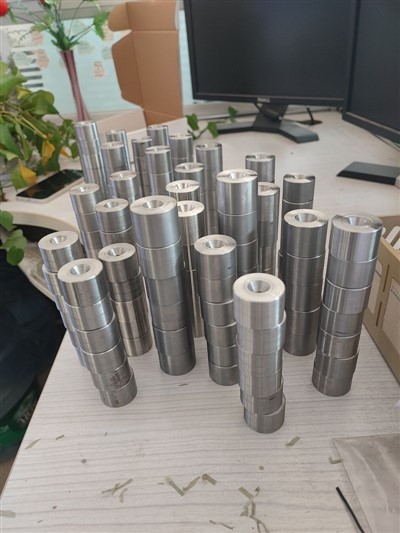
When it comes to steel strip processing machinery, understanding the differences between various models is crucial for businesses in the metalworking industry. As a reliable steel strip processing machinery supplier, I have witnessed firsthand how these differences can impact production efficiency, product quality, and overall profitability. In this blog post, I will explore the key distinctions between different models of steel strip processing machinery, highlighting their unique features and applications.
Slitting Machines
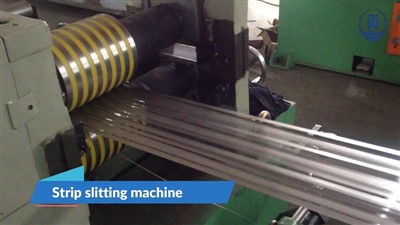
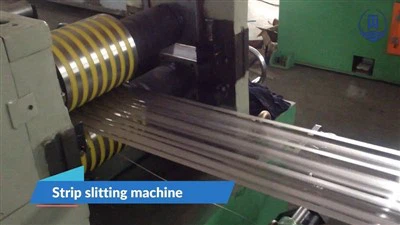
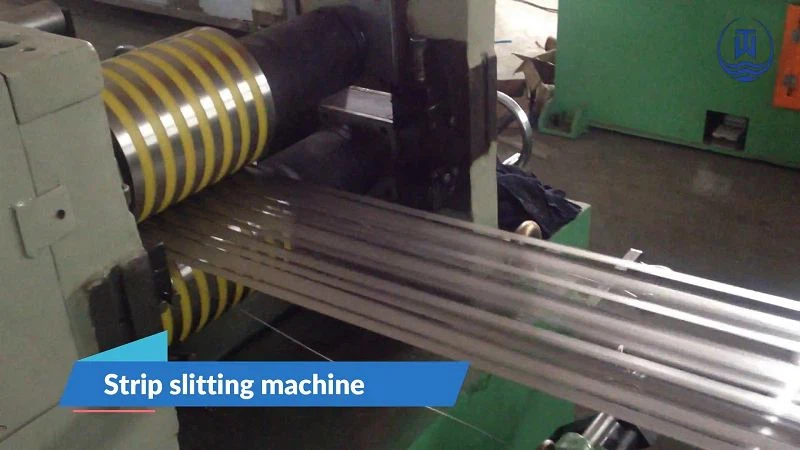
Slitting machines are among the most commonly used steel strip processing machines. Their primary function is to cut wide steel coils into narrower strips with precise widths. Different models of slitting machines can vary significantly in terms of their cutting capacity, precision, and automation level.
Manual vs. Automatic Slitting Machines
Manual slitting machines require operators to manually adjust the cutting tools and feed the steel strip into the machine. These machines are typically more affordable and suitable for small-scale production or businesses with limited budgets. However, they are also more labor-intensive and less precise compared to automatic slitting machines.
Automatic slitting machines, on the other hand, are equipped with advanced control systems that can automatically adjust the cutting parameters, such as blade speed and feed rate, based on the specifications of the steel strip. These machines offer higher precision, faster production speeds, and require less operator intervention. As a result, they are ideal for large-scale production and high-volume orders.
Single-blade vs. Multi-blade Slitting Machines
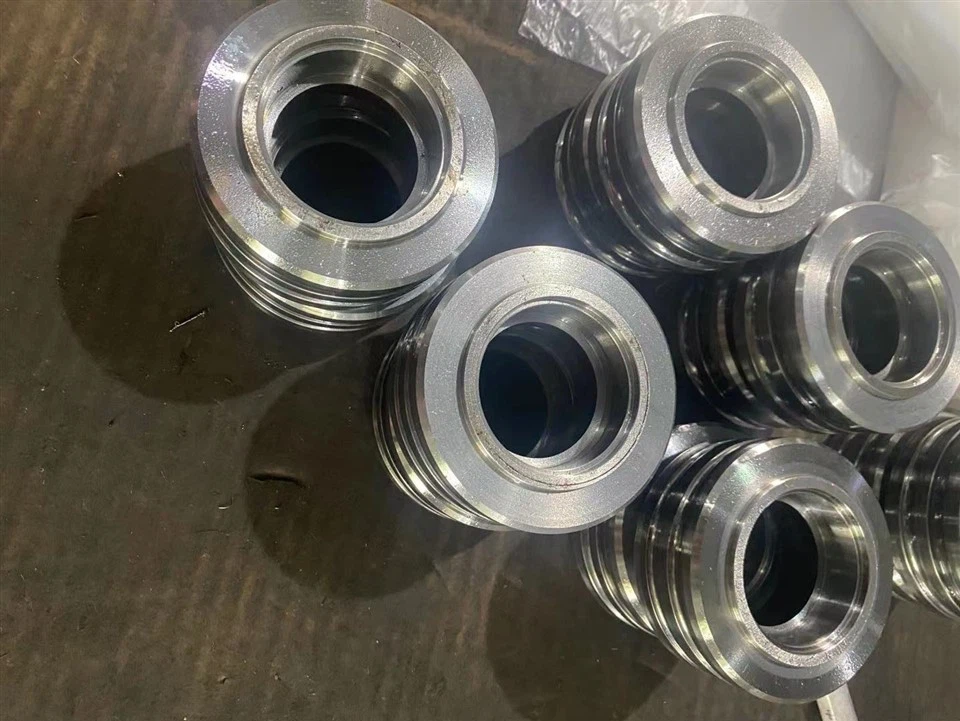
Single-blade slitting machines use a single circular blade to cut the steel strip. They are relatively simple in design and are suitable for cutting thin steel strips with low to medium thicknesses. Multi-blade slitting machines, on the other hand, use multiple blades arranged in a stack to cut the steel strip into multiple narrower strips simultaneously. These machines are more efficient and can handle thicker steel strips, making them suitable for high-volume production.
For more information on slitting machines, you can visit Steel Coil Strip Slitting Machine Manufacturers and Steel Strip Slitting Machine Manufacturers.
Cutting Equipment
In addition to slitting machines, cutting equipment is another essential type of steel strip processing machinery. Cutting equipment is used to cut steel strips to specific lengths or shapes, depending on the requirements of the end product.
Shearing Machines
Shearing machines use a pair of blades to cut the steel strip by applying a shearing force. They are commonly used for cutting straight lengths of steel strips and are available in various configurations, including guillotine shears, swing beam shears, and hydraulic shears. Guillotine shears are the most basic type of shearing machines and are suitable for cutting thin steel strips with low to medium thicknesses. Swing beam shears offer greater flexibility and can cut a wider range of materials, including thicker steel strips. Hydraulic shears, on the other hand, are the most powerful and precise type of shearing machines and are suitable for heavy-duty cutting applications.
Laser Cutting Machines
Laser cutting machines use a high-powered laser beam to cut the steel strip with high precision and accuracy. They are capable of cutting complex shapes and profiles with minimal kerf width, making them ideal for applications that require high-quality cutting and fine details. Laser cutting machines are also faster and more efficient than traditional cutting methods, making them suitable for high-volume production.

For more information on cutting equipment, you can visit Steel Strip Cutting Equipment Manufacturers.
Other Considerations
In addition to the differences in functionality and design, there are several other factors to consider when choosing a steel strip processing machine. These factors include:
Material Compatibility
Different models of steel strip processing machines are designed to handle different types and thicknesses of steel strips. It is important to choose a machine that is compatible with the type of steel strip you will be processing to ensure optimal performance and efficiency.
Production Capacity
The production capacity of a steel strip processing machine refers to the amount of steel strip it can process in a given period of time. It is important to choose a machine that can meet your production requirements to avoid bottlenecks and ensure timely delivery of orders.
Maintenance and Support
Like any other industrial equipment, steel strip processing machines require regular maintenance and servicing to ensure optimal performance and longevity. It is important to choose a machine that is easy to maintain and comes with reliable technical support from the manufacturer.
Conclusion
In conclusion, understanding the differences between different models of steel strip processing machinery is essential for businesses in the metalworking industry. By choosing the right machine for your specific needs, you can improve production efficiency, product quality, and overall profitability. As a steel strip processing machinery supplier, we are committed to providing our customers with high-quality machines and excellent customer service. If you have any questions or need further information about our products, please do not hesitate to contact us for a consultation and potential procurement discussion.
References
- ASM Handbook Volume 6: Welding, Brazing, and Soldering.
- Mechanical Engineers' Handbook: Manufacturing and Management, 4th Edition.