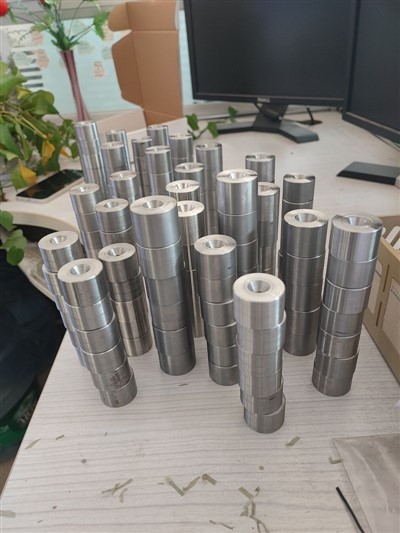
What is the Wear Resistance of Tungsten Carbide Alloy Rolls?
As a supplier of Tungsten Carbide Alloy Rolls, I've witnessed firsthand the remarkable performance and versatility of these products in various industrial applications. In this blog post, I'll delve into the concept of wear resistance in Tungsten Carbide Alloy Rolls, exploring its significance, factors influencing it, and how it impacts the overall efficiency and longevity of the rolls.
Understanding Wear Resistance
Wear resistance refers to a material's ability to withstand the effects of friction, abrasion, and erosion over time. In the context of Tungsten Carbide Alloy Rolls, it is a crucial property that determines their durability and performance in rolling operations. These rolls are commonly used in industries such as steel, aluminum, and copper production, where they are subjected to high pressures, temperatures, and continuous contact with the material being rolled.
The wear resistance of Tungsten Carbide Alloy Rolls is primarily attributed to the unique combination of tungsten carbide particles and a metallic binder. Tungsten carbide is an extremely hard and wear-resistant material, known for its high melting point and excellent mechanical properties. When combined with a suitable binder, such as cobalt or nickel, it forms a composite material that offers superior wear resistance compared to traditional steel rolls.
Significance of Wear Resistance in Tungsten Carbide Alloy Rolls
The wear resistance of Tungsten Carbide Alloy Rolls plays a vital role in ensuring the quality and efficiency of rolling operations. Here are some key reasons why wear resistance is crucial:
- Extended Service Life: Rolls with high wear resistance can withstand the rigors of continuous rolling for longer periods without significant wear or damage. This reduces the frequency of roll replacements, resulting in lower maintenance costs and increased productivity.
- Improved Product Quality: Wear-resistant rolls maintain their shape and surface finish over time, ensuring consistent and precise rolling of the material. This leads to better product quality, with fewer surface defects and dimensional variations.
- Reduced Downtime: By minimizing wear and tear, wear-resistant rolls help to reduce downtime associated with roll changes and maintenance. This allows for continuous production and maximizes the overall efficiency of the rolling process.
- Cost Savings: Although Tungsten Carbide Alloy Rolls may have a higher initial cost compared to traditional steel rolls, their longer service life and improved performance result in significant cost savings over the long term.
Factors Influencing the Wear Resistance of Tungsten Carbide Alloy Rolls
Several factors can influence the wear resistance of Tungsten Carbide Alloy Rolls. Understanding these factors is essential for selecting the right rolls for specific applications and optimizing their performance. Here are some key factors to consider:
- Composition: The composition of the Tungsten Carbide Alloy, including the type and amount of tungsten carbide particles and the binder material, has a significant impact on its wear resistance. Rolls with a higher percentage of tungsten carbide particles generally offer better wear resistance.
- Microstructure: The microstructure of the alloy, including the size and distribution of the tungsten carbide particles, can also affect its wear resistance. A fine-grained microstructure with uniform particle distribution is typically associated with better wear resistance.
- Hardness: The hardness of the Tungsten Carbide Alloy is directly related to its wear resistance. Harder alloys are generally more wear-resistant, but they may also be more brittle and prone to cracking.
- Surface Finish: The surface finish of the rolls can influence their wear resistance. A smooth and polished surface reduces friction and wear, while a rough or uneven surface can increase the likelihood of abrasion and damage.
- Operating Conditions: The operating conditions, such as the rolling speed, temperature, and pressure, can also affect the wear resistance of the rolls. Higher rolling speeds and temperatures can increase the wear rate, while proper lubrication and cooling can help to reduce wear.
Applications of Tungsten Carbide Alloy Rolls
Tungsten Carbide Alloy Rolls are widely used in a variety of industrial applications, including:
- Steel Rolling: In the steel industry, Tungsten Carbide Alloy Rolls are used for hot and cold rolling of steel bars, rods, and wires. Their high wear resistance and excellent dimensional stability make them ideal for producing high-quality steel products.
- Aluminum Rolling: Tungsten Carbide Alloy Rolls are also commonly used in the aluminum industry for rolling aluminum sheets, foils, and strips. Their ability to withstand high pressures and temperatures ensures consistent and precise rolling of aluminum materials.
- Copper Rolling: In the copper industry, Tungsten Carbide Alloy Rolls are used for rolling copper rods, wires, and sheets. Their wear resistance and corrosion resistance make them suitable for producing high-quality copper products.
- Other Applications: Tungsten Carbide Alloy Rolls are also used in other industries, such as wire drawing, tube rolling, and precision rolling. Their versatility and high performance make them a popular choice for a wide range of applications.
Our Company's Tungsten Carbide Alloy Rolls
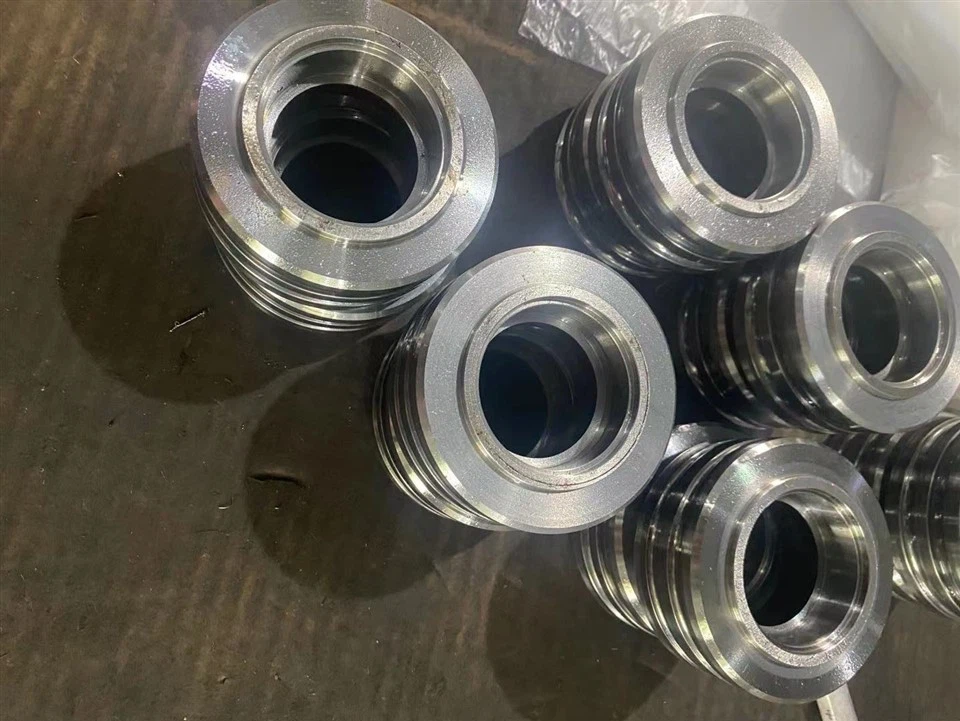
As a leading supplier of Tungsten Carbide Alloy Rolls, we offer a wide range of products to meet the diverse needs of our customers. Our rolls are manufactured using the latest technology and high-quality materials, ensuring superior wear resistance and performance.
We work closely with our customers to understand their specific requirements and provide customized solutions. Our team of experts can help you select the right rolls for your application and optimize their performance through proper installation, maintenance, and lubrication.
In addition to Tungsten Carbide Alloy Rolls, we also offer a variety of Capstan Accessories and Bobin Accessories to enhance the efficiency and productivity of your rolling operations.
Conclusion
The wear resistance of Tungsten Carbide Alloy Rolls is a critical property that determines their durability and performance in rolling operations. By understanding the factors influencing wear resistance and selecting the right rolls for specific applications, you can ensure the quality and efficiency of your rolling process.


As a supplier of Tungsten Carbide Alloy Rolls, we are committed to providing our customers with high-quality products and excellent service. If you are interested in learning more about our products or have any questions about wear resistance in Tungsten Carbide Alloy Rolls, please feel free to contact us. We look forward to working with you to meet your rolling needs.
References
- Smith, J. (2018). Wear Resistance of Tungsten Carbide Alloys. Journal of Materials Science, 53(12), 8567-8575.
- Johnson, R. (2019). Applications of Tungsten Carbide Alloy Rolls in the Steel Industry. International Journal of Metal Forming, 12(3), 456-463.
- Brown, A. (2020). Factors Affecting the Wear Resistance of Tungsten Carbide Alloy Rolls. Wear, 450-451, 203207.