

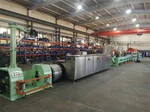
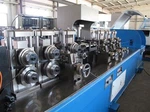
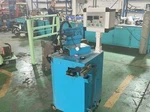
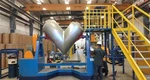
Steel Strip Processing Machinery
Steel Strip Processing Machinery: Complete Selection Guide
Steel strip processing machinery converts steel coils into finished strips, sheets, or processed coils with controlled dimensions, flatness, tension, and winding quality. The right equipment depends on the material being processed, incoming coil dimensions, finished strip requirements, and expected production volume.
Core Equipment Configurations

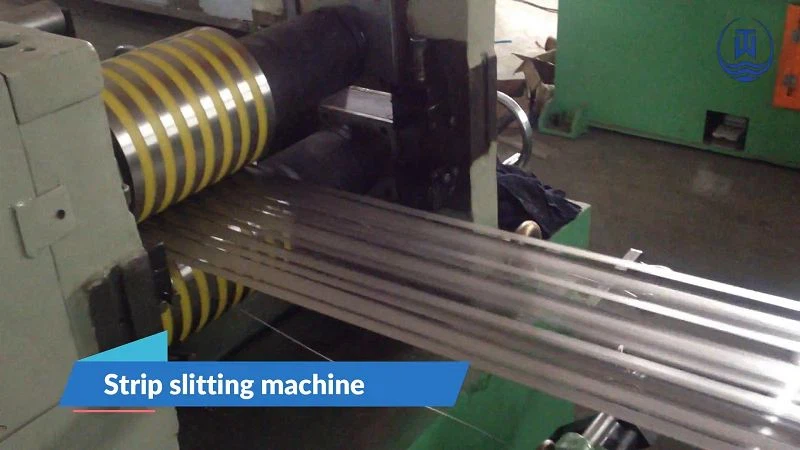
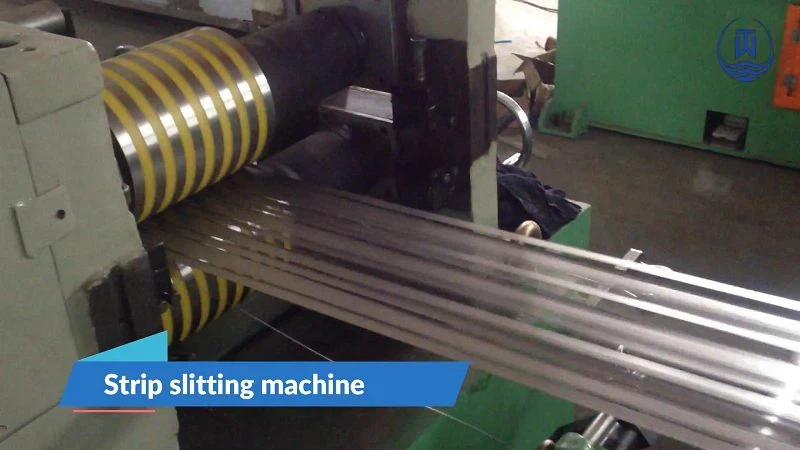
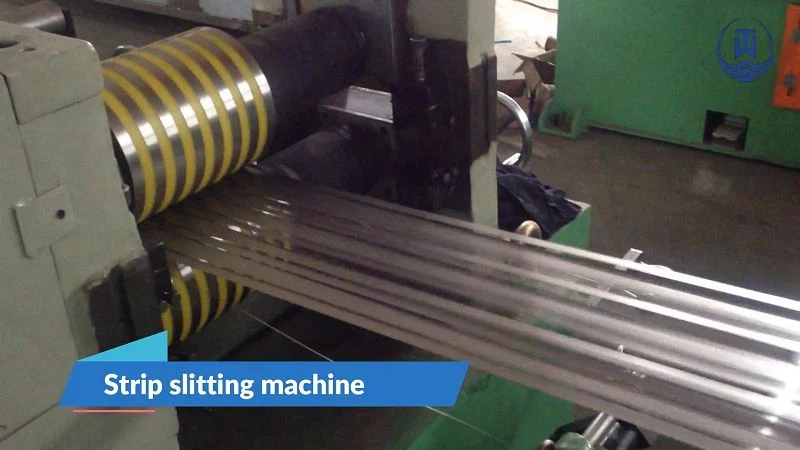
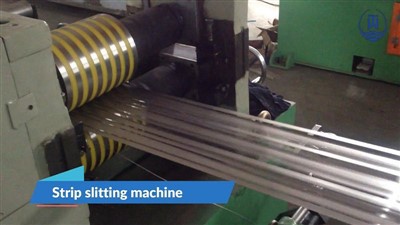
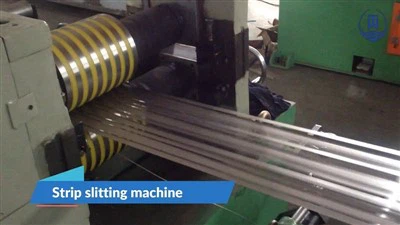
Steel Coil Slitting Lines
Slitting lines divide a wide steel coil into multiple narrower strips.
Applications: Carbon steel, stainless steel, galvanized steel, coated steel, and narrow strip production for downstream manufacturing and service centers.
Key Factors: Incoming coil width and thickness, required slit widths, number of strips, coil weight, production volume, and finished-coil requirements.
Steel Strip Leveling and Straightening Equipment
Used when strip flatness and shape control are critical to downstream processes.
Key Factors: Material grade, strip thickness, strip width, incoming coil condition, required flatness, and downstream forming or stamping requirements.
Cut-to-Length Lines
Converts steel coils into sheets with specified lengths.
Applications: Sheet metal fabrication, construction materials, appliance and HVAC components, and steel distribution.
Key Factors: Incoming coil specification, target sheet dimensions, material characteristics, length tolerance, and production volume.
Steel Strip Recoiling Machines
Winds processed steel strip into finished coils for storage, transport, or further manufacturing.
Key Factors: Finished coil width and weight, strip tension, winding quality, core requirements, and surface protection.
Integrated Coil Processing Lines
Combines multiple processes for higher-volume operations.
Standard Route: Coil Loading -> Uncoiling -> Straightening / Leveling -> Slitting or Cutting -> Scrap Handling -> Recoiling -> Coil Discharge.
How to Select the Right Equipment
Define the Incoming Steel Coil
Material Type: Carbon steel, stainless steel, galvanized steel, coated steel, etc.
Dimensions: Minimum and maximum thickness, width, inner diameter (ID), and outer diameter (OD).
Weight & Grade: Maximum coil weight and applicable steel grades.
Surface Condition: Bare, galvanized, coated, or painted.
Define the Finished Product
Specifications: Finished strip width, number of strips per coil, sheet length, finished coil OD and weight.
Quality Standards: Required flatness, edge requirements, dimensional tolerances, and packaging needs.
Define Production Requirements
Operational Metrics: Line speed, annual/monthly output, batch size, coil change frequency, product mix, setup time, and automation level.
Uncoiler / Decoiler: Supports incoming coils and feeds the strip based on weight and dimensions.
Entry Section: Guides and controls strip via entry guides, pinch rolls, straightening rolls, and centering devices.
Slitting Section: Separates wide strips using matched knife diameters, materials, arrangements, and spacer configurations.
Leveling Section: Controls shape and flatness through controlled roll deformation.
Tension Control
Ensures stable tracking, winding quality, and edge alignment during slitting and recoiling.
Recoiler & Scrap Winder
Winds finished strips and collects edge trim/scrap to maintain a clean production area.
Coil Handling System
Includes coil cars, lifting equipment, and discharge transfer systems.
Target Industry Applications
Steel Service Centers
Prioritize flexibility, repeatable setup, and efficient order handling.
01
Automotive & Component Manufacturing
Require narrow strips with strict dimensional, surface, and edge tolerances.
02
Tube and Pipe Manufacturing
Feeds strip tailored to downstream forming and welding requirements.
03
Metal Stamping
Demands consistent strip dimensions and flatness for stable press feeding.
04
Construction & Building Materials
Processes coated or uncoated strips/sheets for roofing, framing, and wall systems.
05
Frequently Asked Questions