In the realm of modern manufacturing, steel strip processing machinery stands as a cornerstone for a wide array of industries. These machines are responsible for transforming raw steel coils into a variety of precisely cut and shaped products, which are then used in everything from automotive parts to construction materials. Among the many features that make these machines indispensable, data logging and analysis functions play a pivotal role in enhancing efficiency, quality control, and overall productivity. As a leading supplier of steel strip processing machinery, I am excited to delve into the details of these crucial functions and explore how they benefit our customers.
I. The Basics of Data Logging in Steel Strip Processing Machinery
Data logging is the process of recording and storing data from various sensors and systems within the steel strip processing machinery. This data can include information such as machine speed, temperature, pressure, tension, and the dimensions of the processed steel strips. The primary purpose of data logging is to provide a historical record of the machine's operation, which can be used for troubleshooting, performance evaluation, and process optimization.
A. Types of Data Logged
- Operational Data: This includes data related to the basic operation of the machine, such as the start and stop times, the number of cycles completed, and the overall running time. Operational data helps in understanding the machine's utilization rate and identifying any potential downtime issues.
- Process Parameter Data: Process parameters like speed, temperature, and pressure are crucial for ensuring the quality of the processed steel strips. By logging these data points, we can monitor the consistency of the manufacturing process and detect any deviations that may lead to defects.
- Quality Control Data: This type of data includes measurements of the steel strip's dimensions, surface finish, and mechanical properties. Quality control data is essential for maintaining the desired product specifications and ensuring customer satisfaction.
B. Methods of Data Logging
- Built - in Data Loggers: Many modern steel strip processing machines are equipped with built - in data loggers. These loggers are integrated into the machine's control system and can collect data directly from sensors and other monitoring devices. Built - in data loggers are convenient because they are tailored to the specific needs of the machine and can provide real - time data logging.
- External Data Logging Devices: In some cases, external data logging devices may be used in conjunction with the machine. These devices can be connected to the machine's sensors via wired or wireless communication protocols. External data loggers offer flexibility, especially when retrofitting older machines with data logging capabilities.
II. The Importance of Data Logging
A. Improved Quality Control
One of the most significant benefits of data logging in steel strip processing machinery is improved quality control. By continuously monitoring and recording process parameters and quality control data, manufacturers can detect and correct any deviations from the desired specifications in real - time. For example, if the thickness of the steel strip deviates from the set value, the machine can automatically adjust the processing parameters to bring the product back within the acceptable range. This helps to reduce the number of defective products and improves overall product quality.
B. Predictive Maintenance
Data logging also plays a crucial role in predictive maintenance. By analyzing the operational data and process parameter trends over time, manufacturers can identify potential issues with the machine before they cause a breakdown. For instance, if the temperature of a critical component in the machine starts to rise steadily, it could indicate a problem with the lubrication system or a mechanical issue. By detecting these early warning signs, maintenance teams can schedule proactive maintenance, which reduces downtime and extends the lifespan of the machine.
C. Process Optimization
Another advantage of data logging is process optimization. By analyzing the logged data, manufacturers can identify inefficiencies in the manufacturing process and make data - driven decisions to improve it. For example, if the data shows that a particular machine setting results in a higher yield or better product quality, that setting can be permanently adopted. This leads to increased productivity, reduced waste, and lower production costs.
III. Data Analysis in Steel Strip Processing Machinery
Once the data is logged, the next step is to analyze it to extract valuable insights. Data analysis involves using various statistical and analytical techniques to identify patterns, trends, and correlations in the data.
A. Statistical Analysis
Statistical analysis is one of the most commonly used methods for data analysis in steel strip processing. It involves calculating basic statistical measures such as mean, median, standard deviation, and range to understand the distribution of the data. For example, statistical analysis can be used to determine the average thickness of the steel strips produced over a certain period and the variation around this average. This information can help in setting appropriate process control limits and improving product consistency.
B. Trend Analysis
Trend analysis is used to identify long - term patterns and changes in the data. By plotting the data over time, manufacturers can observe how process parameters and quality control data change over consecutive production runs. Trend analysis can help in predicting future performance and identifying potential problems before they occur. For example, if the trend shows a gradual increase in the number of surface defects on the steel strips, it may indicate a need for equipment maintenance or a change in the manufacturing process.
C. Correlation Analysis
Correlation analysis is used to determine the relationship between different variables in the data. For example, manufacturers may want to know if there is a correlation between the speed of the machine and the quality of the processed steel strips. By conducting correlation analysis, they can identify which variables have a significant impact on the product quality and adjust the process accordingly.
IV. Real - World Applications of Data Logging and Analysis
A. In - line Quality Inspection
In modern steel strip processing plants, data logging and analysis are used for in - line quality inspection. Sensors installed on the machine continuously monitor the dimensions, surface finish, and other quality characteristics of the steel strips as they are being processed. The logged data is then analyzed in real - time, and any products that do not meet the quality standards are automatically rejected. This ensures that only high - quality products are shipped to customers.
B. Process Monitoring in Continuous Production
In continuous production environments, data logging and analysis are used to monitor the performance of the steel strip processing machinery. By continuously monitoring the operational data and process parameters, manufacturers can ensure that the machine is running at optimal efficiency. If any deviations are detected, the machine can be adjusted immediately to prevent production delays and quality issues.
V. Our Offerings in Steel Strip Processing Machinery
As a supplier of steel strip processing machinery, we offer a wide range of products that are equipped with advanced data logging and analysis functions. Our Steel Strip Cutting Equipment is designed to provide precise cutting of steel strips while logging essential process data such as cutting speed, pressure, and blade wear. This data can be used for quality control and predictive maintenance.
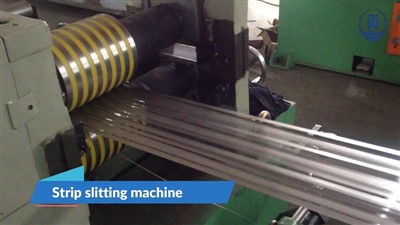
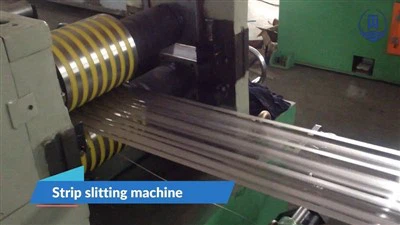
Our Steel Strip Slitting Machine is another example of our high - tech offerings. It is capable of slitting steel coils into multiple strips with high accuracy. The machine is equipped with sensors that log data related to the slitting process, such as tension, speed, and strip width. This data can be analyzed to optimize the slitting process and improve product quality.
We also work closely with Steel Coil Strip Slitting Machine Manufacturers and Steel Strip Cutting Equipment Manufacturers to ensure that our products meet the highest industry standards. Our Steel Coil Strip Slitting Machine is a state - of - the - art product that combines the latest technology with reliable performance.
VI. Contact Us for Procurement and Consultation
If you are in the market for steel strip processing machinery with advanced data logging and analysis functions, we invite you to contact us for a detailed consultation. Our team of experts is ready to help you select the right machine for your specific needs, provide technical support, and offer solutions for process optimization. Whether you are a small - scale manufacturer or a large industrial enterprise, we have the products and expertise to meet your requirements. Don't hesitate to reach out and start a discussion about how our steel strip processing machinery can enhance your production efficiency and product quality.


References
- Groover, M. P. (2010). Fundamentals of Modern Manufacturing: Materials, Processes, and Systems. John Wiley & Sons.
- ASM Handbook Committee. (2002). ASM Handbook Volume 6: Welding, Brazing, and Soldering. ASM International.
- Callister, W. D., & Rethwisch, D. G. (2014). Materials Science and Engineering: An Introduction. John Wiley & Sons.