

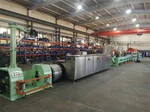
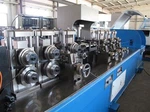


Tungsten Carbide Alloy Rolls and Other Accessories
Product Overview
Tungsten carbide alloy rolls and related accessories are precision, wear-resistant tooling components engineered for metal forming, wire processing, rolling, drawing, sizing, and guiding operations.
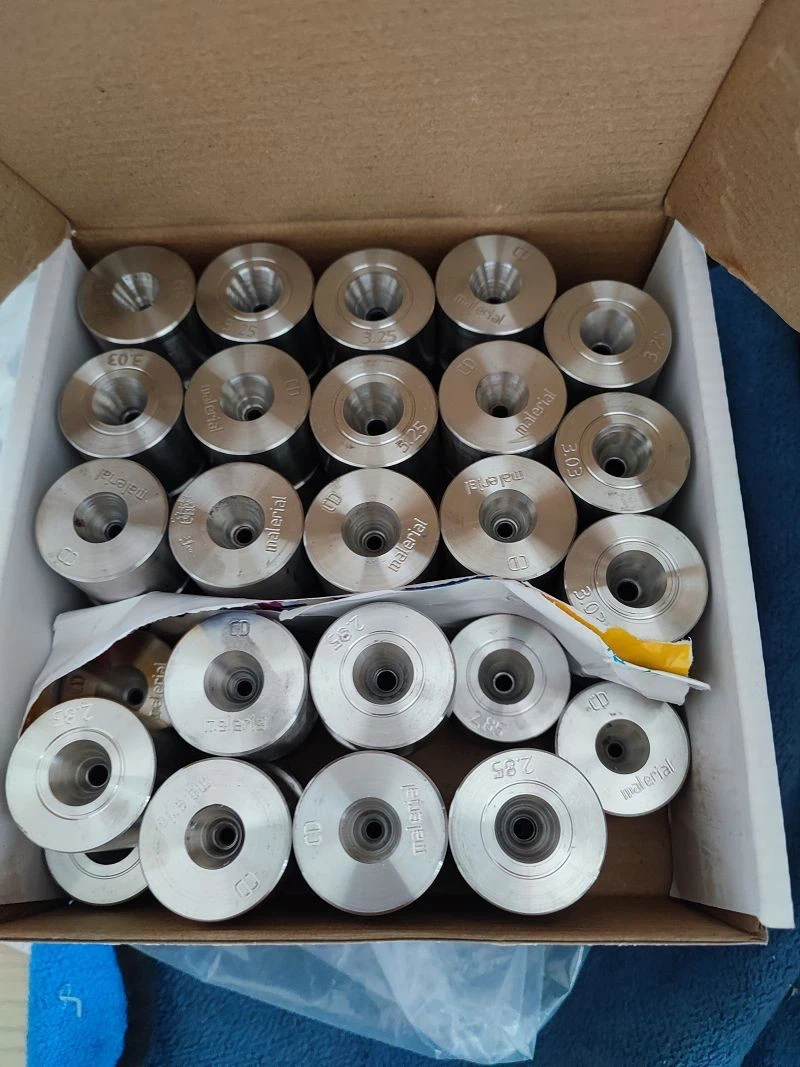
This product category encompasses tungsten carbide rolls, roll rings, guides, dies, sleeves, bushes, and custom wear components tailored to specific production line configurations.
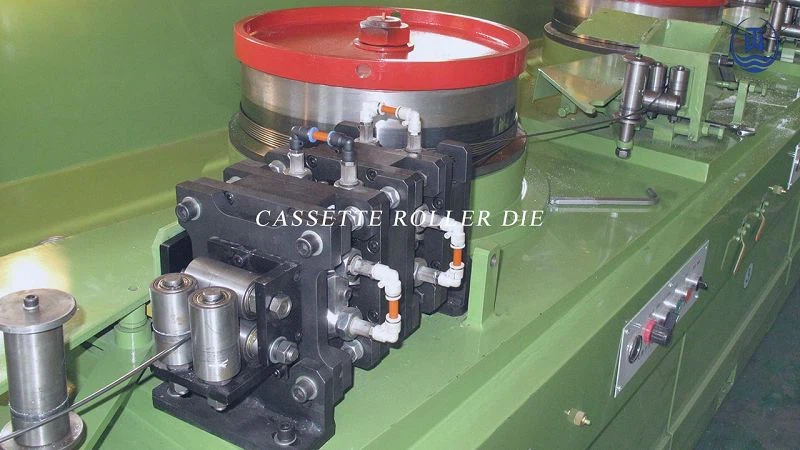
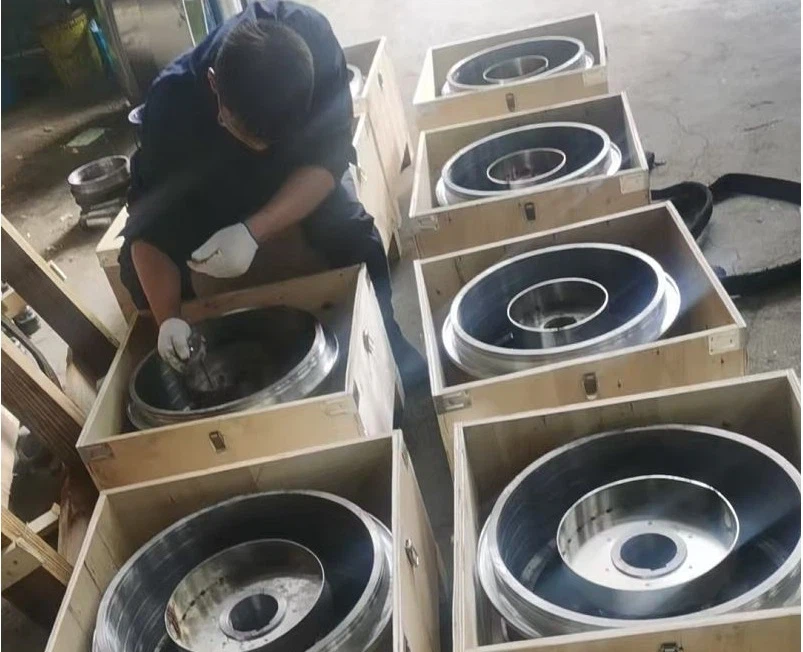
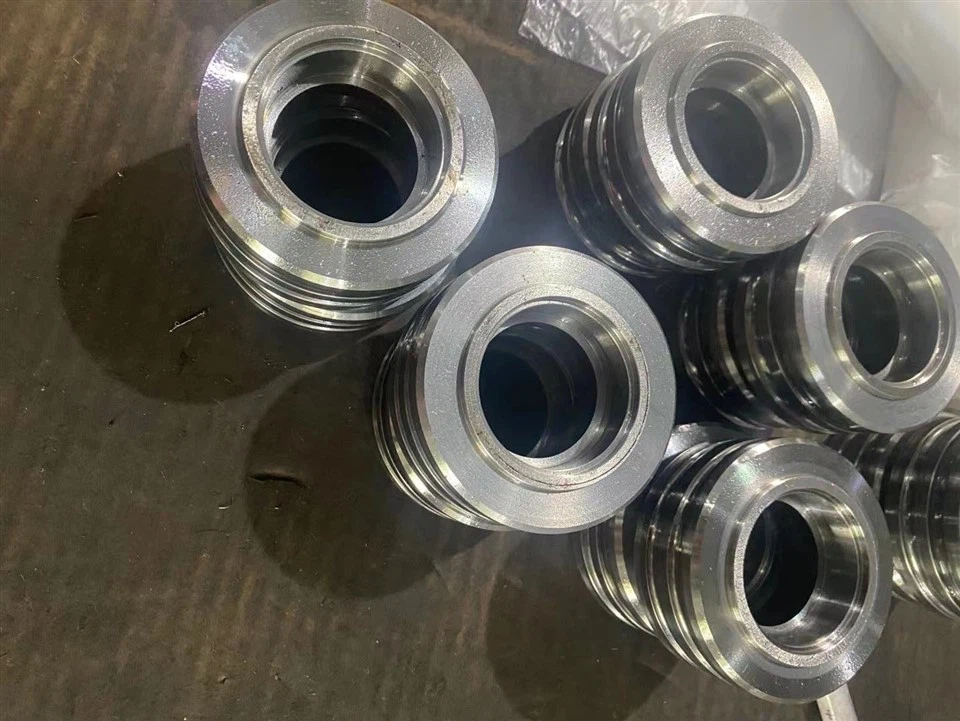
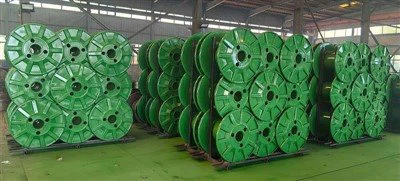
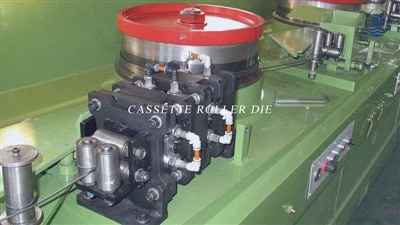
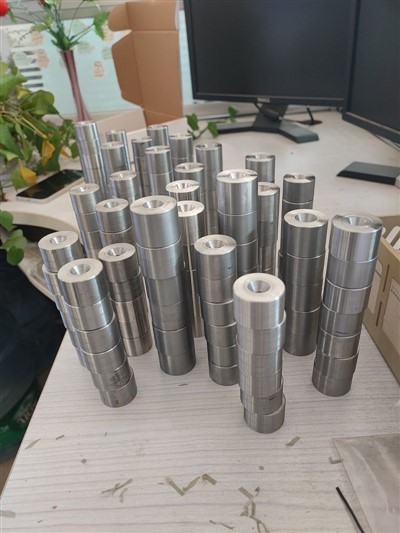

Typical processing lines and manufacturing sectors utilizing these components include:
Wire Manufacturing & Processing: High-speed wire production and surface finishing.
Steel & Metal Processing: Hot and cold rolling mills, sizing blocks, and reduction stands.
Wire Drawing: Multi-wire and single-wire drawing machinery.
Rod, Bar, & Tube Production: Tube forming, sizing, and bar straightening operations.
Fastener & Metal Forming: Cold heading, extrusion, and high-stress shaping applications.
Product Types & Supply Forms
Tungsten Carbide Rolls & Roll Rings
Primary working rolls for rolling mills and sizing units.
01
Carbide Guides
Wear-resistant elements ensuring precise material feeding and alignment.
02
Carbide Dies
Sizing, shaping, and drawing dies designed to withstand extreme frictional wear.
03
Carbide Sleeves & Bushes
Replaceable high-stress components for rotating or sliding machine parts.
04
Custom Wear Components
Non-standard parts engineered for high-wear machine positions.
05
Typical Procurement Models
Procuring exact replacement parts for existing production lines using established part numbers or technical drawings.
Specifying custom carbide tooling as part of a new machine design or plant installation.
Developing non-standard components based on buyer-provided CAD files, physical samples, or specific operating parameters..
Managing recurring inventory for high-consumption roll sizes and perishable wear accessories.
Testing limited quantities from a new supplier prior to committing to volume production.
Product Selection Guide
Selection By Application
Wire Processing: Evaluate wire material composition, diameter range, operating speed, roll profile, and required surface finish.
Wire Drawing: Assess reduction ratios, die geometry, lubrication efficiency, material hardness, and local wear conditions.
Rolling & Sizing: Consider roll dimensions, contact pressure, reduction rates, and mechanical load limits.
Tube & Pipe Processing: Review tube material, forming sequence, roll alignment, and dimensional tolerances.
Bar & Rod Processing: Analyze material grade, reduction mechanics, roll loading, and thermal cooling efficiency.
Selection By Roll Geometry & Tolerances
Outside diameter (OD) and overall/working width
Bore diameter, keyways, and mounting features
Groove profiles, radii, and chamfers
Concentricity, runout tolerances, and surface finish specifications
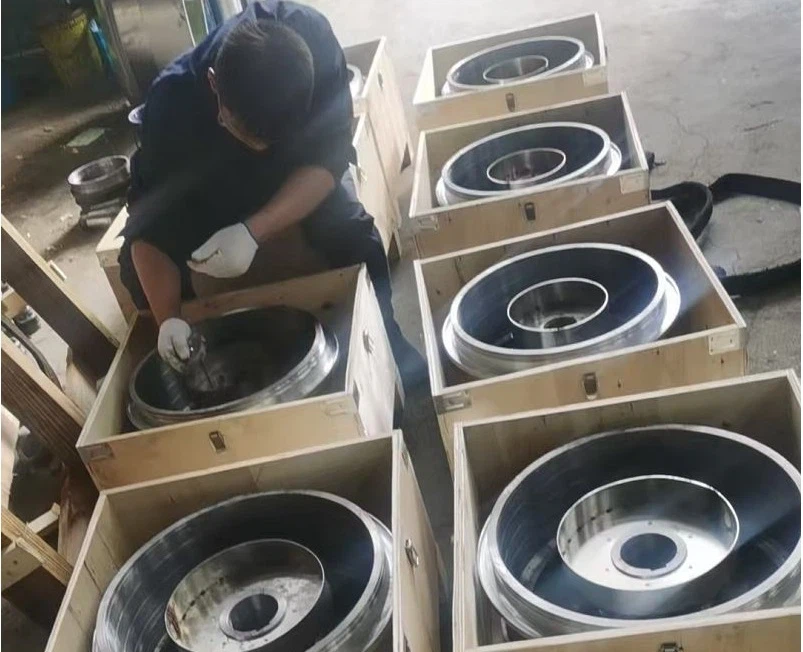
Real-World Failure Analysis & Troubleshooting
Understanding premature failure mechanisms ensures accurate corrective action:
Excessive Wear
Rapid degradation usually stems from an unsuitable grade, excessive contact pressure, or inadequate lubrication.
Edge Chipping
Frequently linked to impact loading, insufficient toughness, poor alignment, or incorrect groove geometry.
Cracking or Thermal Fracture
Indicates issues with stress concentration, thermal shock, improper mounting, or mechanical overload.
Dimensional Instability
Requires verification of concentricity, profile accuracy, and thermal expansion properties under operating loads.
Poor Surface Finish on Product
Often originates from roll surface damage, incorrect profile geometry, contamination, or mechanical misalignment.
Manufacturing and Quality Control Standards
A capable manufacturer must demonstrate rigorous control across critical production stages:
Raw Material Control
Strict monitoring of tungsten carbide powder characteristics, particle size, and binder consistency.
Sintering & Densification
Controlled vacuum sintering to achieve theoretical maximum density and uniform microstructural integrity.
Precision Machining & Grinding
Advanced grinding technology to maintain tight dimensional tolerances on bores, outer diameters, and complex groove profiles.
Dimensional & NDT Inspection
Comprehensive verification of runout, surface finish, hardness (HRA), and internal integrity against engineering drawings.
Procurement Checklist & RFQ Requirements
To secure an accurate quotation and ensure technical compatibility, buyers should compile the following information before issuing an RFQ:
Part Details
Component name, part number, required quantity, and detailed 2D/3D drawings.
Machine Data
Machine manufacturer, model, installation position, and mounting method.
Process Parameters
Processed material grade, incoming/outgoing size, speed, reduction ratio, and cooling/lubrication setup.
Performance History
Expected service life, current wear issues, chipping/cracking history, and surface finish requirements.
Frequently Asked Questions