As a supplier of welding wire winding machinery, I've witnessed firsthand the challenges that come with these complex systems. Welding wire winding machinery is crucial in the welding industry, ensuring that wires are neatly and efficiently wound for various applications. However, like any mechanical equipment, it is prone to several common problems. In this blog, I will discuss these issues and provide practical solutions to keep your machinery running smoothly.
Common Problems of Welding Wire Winding Machinery
1. Uneven Winding
One of the most frequent issues is uneven winding. This can occur due to various reasons, such as improper tension control, a misaligned guide system, or worn-out components. When the wire is not wound evenly, it can lead to problems during the welding process, as the wire may not feed smoothly through the welding gun. This can result in inconsistent welds and reduced productivity.
2. Wire Breakage
Wire breakage is another significant problem. It can be caused by excessive tension, sharp edges in the winding path, or the use of low - quality wire. When the wire breaks, it not only disrupts the winding process but also requires downtime to re - thread the wire, which can be time - consuming and costly.
3. Motor Overheating
The motors in welding wire winding machinery are responsible for driving the winding process. Overheating can occur due to overloading, poor ventilation, or a malfunctioning cooling system. An overheated motor can lead to premature failure, which can be expensive to repair or replace.
4. Mechanical Wear and Tear
The moving parts of the winding machinery, such as gears, bearings, and pulleys, are subject to wear and tear over time. This can cause the machinery to become less efficient, produce noisy operation, and eventually lead to breakdowns. Regular maintenance is essential to prevent these issues.
5. Control System Malfunctions
Modern welding wire winding machinery often comes with sophisticated control systems that regulate the speed, tension, and other parameters. Malfunctions in these control systems can lead to inaccurate winding, improper tension adjustment, and other problems. These malfunctions can be caused by software glitches, electrical faults, or sensor failures.
Solutions to the Common Problems
1. Solving Uneven Winding
- Tension Control: Ensure that the tension control system is properly calibrated. This may involve adjusting the tension springs or using a more advanced electronic tension control system. Regularly check the tension during the winding process to ensure consistency.
- Guide System Alignment: Inspect the guide system for any misalignments. Make sure that the guides are clean and free from debris. If necessary, realign the guides to ensure that the wire follows a straight path during winding.
- Component Replacement: Replace any worn - out components, such as pulleys or rollers, that may be causing the uneven winding. Worn components can cause the wire to deviate from its intended path.
2. Preventing Wire Breakage
- Tension Adjustment: Set the tension at an appropriate level. Avoid applying excessive tension, as this can cause the wire to break. Use a tension meter to measure and adjust the tension accurately.
- Path Inspection: Check the winding path for any sharp edges or rough surfaces. Smooth out any rough areas or replace components with sharp edges. This will prevent the wire from being damaged as it moves through the winding process.
- Quality Wire Selection: Use high - quality welding wire. Low - quality wire is more prone to breakage due to its inconsistent composition and poor mechanical properties.
3. Addressing Motor Overheating
- Load Management: Ensure that the motor is not overloaded. Check the specifications of the motor and make sure that the machinery is operating within its rated capacity. If necessary, reduce the workload or upgrade to a more powerful motor.
- Ventilation Improvement: Improve the ventilation around the motor. Make sure that the cooling fins are clean and free from dust and debris. You can also install additional fans or ventilation systems to enhance the cooling effect.
- Cooling System Maintenance: Regularly maintain the cooling system, including checking the coolant level and the operation of the cooling pump. Replace any faulty components in the cooling system.
4. Reducing Mechanical Wear and Tear
- Lubrication: Regularly lubricate the moving parts of the machinery. Use the appropriate lubricants recommended by the manufacturer. This will reduce friction and wear between the components.
- Component Inspection: Conduct regular inspections of the gears, bearings, and pulleys. Look for signs of wear, such as excessive play or noise. Replace any worn - out components before they cause further damage.
- Maintenance Schedule: Establish a regular maintenance schedule for the machinery. This should include tasks such as cleaning, lubrication, and component inspection. Following a maintenance schedule will help to extend the lifespan of the machinery.
5. Fixing Control System Malfunctions
- Software Updates: Keep the control system software up - to - date. Manufacturers often release software updates to fix bugs and improve the performance of the control system.
- Electrical System Check: Inspect the electrical system for any faults, such as loose connections or damaged wires. Repair or replace any faulty electrical components.
- Sensor Calibration: Calibrate the sensors regularly to ensure accurate readings. Faulty sensors can lead to incorrect control system operation.
Conclusion and Call to Action
In conclusion, welding wire winding machinery is a vital part of the welding industry, but it is not without its problems. By being aware of the common issues and implementing the appropriate solutions, you can ensure that your machinery operates efficiently and reliably.

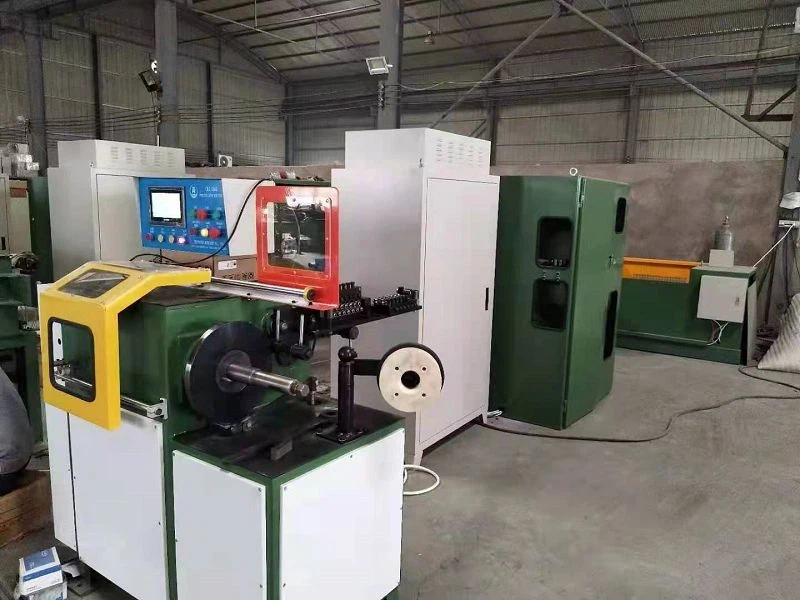
If you are in the market for high - quality welding wire winding machinery or need assistance with troubleshooting your existing equipment, we are here to help. As a leading supplier of Wire Layer Winding Machine Manufacturers, we offer a wide range of Welding Wire Layer Winder products. Our team of experts can provide you with professional advice and support. Whether you need a new machine or want to optimize the performance of your current one, feel free to contact us for a detailed discussion and procurement negotiation.
References
- Welding Machinery Handbook, published by Industry Press
- Technical Manuals of Welding Wire Winding Machinery, various manufacturers