As a leading supplier of welding powder dryers, I often get asked a very interesting question: Can a welding powder dryer be used for other materials besides welding powder? This is a topic that not only piques the curiosity of many in the industry but also has practical implications for businesses looking to optimize their equipment usage. In this blog post, I'll delve into this question, exploring the technical aspects, potential applications, and limitations of using a welding powder dryer for other materials.
Technical Capabilities of a Welding Powder Dryer
Before we can determine whether a welding powder dryer can be used for other materials, it's important to understand how it works. A welding powder dryer is designed to remove moisture from welding powder to ensure its quality and performance. It typically uses a combination of heat and airflow to evaporate the moisture within the powder. The dryer is equipped with a temperature control system to maintain a consistent drying temperature, which is crucial for preventing damage to the welding powder.
The key technical features of a welding powder dryer include:
- Temperature Control: Most welding powder dryers can be set to a specific temperature range, usually between 100°C and 300°C. This allows for precise control of the drying process, ensuring that the powder is dried without being overheated.
- Airflow System: A well-designed airflow system helps to distribute heat evenly throughout the dryer, ensuring that all the powder is dried uniformly. This also helps to remove the evaporated moisture from the dryer, preventing it from re - condensing on the powder.
- Material Compatibility: The internal components of a welding powder dryer are usually made of materials that are resistant to corrosion and high temperatures. This makes them suitable for handling a variety of powders.
Potential Applications for Other Materials
Based on its technical capabilities, a welding powder dryer can potentially be used for drying other types of materials. Here are some examples:
- Ceramic Powders: Ceramic powders are often used in the manufacturing of ceramics, refractories, and electronic components. Like welding powder, ceramic powders can absorb moisture, which can affect their properties and performance. A welding powder dryer can be used to remove the moisture from ceramic powders, improving their quality and consistency.
- Pharmaceutical Powders: In the pharmaceutical industry, powders need to be kept dry to maintain their stability and efficacy. A welding powder dryer can be used to dry pharmaceutical powders, ensuring that they meet the required quality standards. However, it's important to note that the dryer must be thoroughly cleaned and sanitized before use to prevent cross - contamination.
- Food Powders: Food powders such as milk powder, coffee powder, and spice powders can also benefit from drying. A welding powder dryer can be used to remove excess moisture from these powders, extending their shelf life and preventing spoilage. However, the dryer must comply with food safety regulations.
Limitations and Considerations
While a welding powder dryer has the potential to be used for other materials, there are several limitations and considerations that need to be taken into account:
- Material Properties: Different materials have different physical and chemical properties. For example, some materials may be more sensitive to heat than others, and some may require a specific drying temperature or airflow rate. It's important to understand the properties of the material before using a welding powder dryer to ensure that it can be dried effectively without being damaged.
- Contamination Risk: Using a welding powder dryer for other materials may pose a contamination risk. If the dryer is not properly cleaned between uses, there may be cross - contamination between different materials. This can affect the quality and performance of the materials.
- Regulatory Compliance: Depending on the industry and the type of material, there may be specific regulatory requirements that need to be met. For example, the pharmaceutical and food industries have strict regulations regarding the handling and processing of powders. It's important to ensure that the use of a welding powder dryer complies with these regulations.
Complementary Equipment
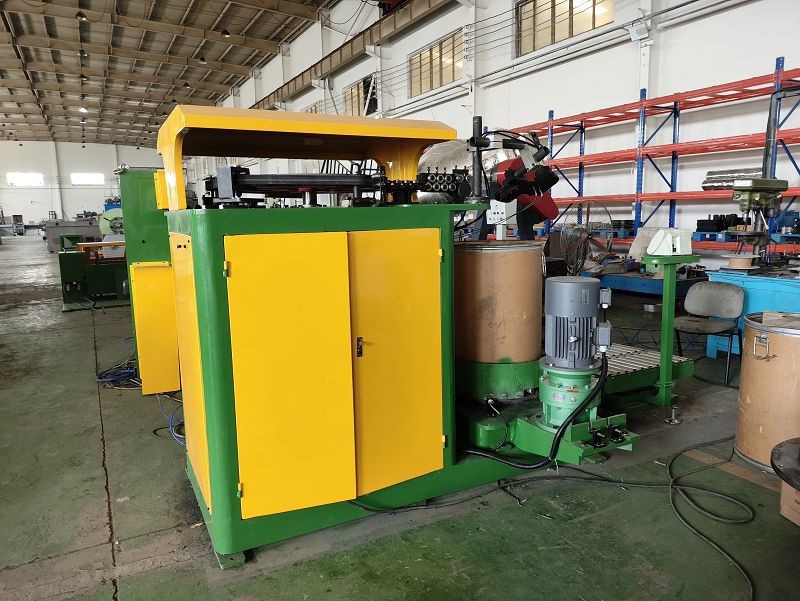
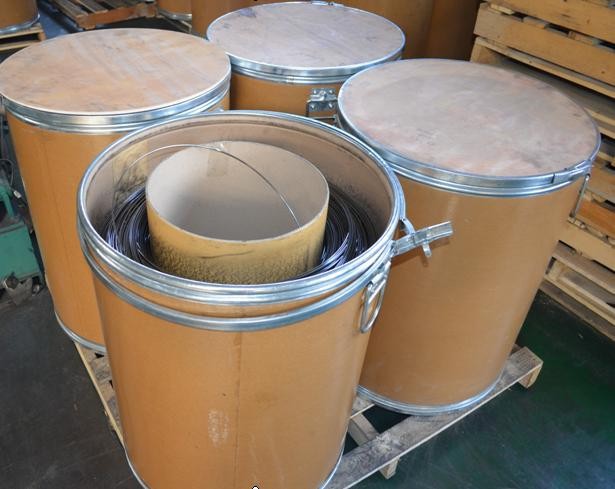
In addition to the welding powder dryer, there are other pieces of equipment that can be used in conjunction with it to improve the overall processing of materials. For example, Vacuum Seal Packaging Machine can be used to package the dried materials in a vacuum environment, preventing them from re - absorbing moisture. The Vacuum Airtight Sealing Packaging Machine provides an even more airtight seal, further protecting the materials. And the Barrel Packaging Equipment can be used to package the materials in barrels for storage and transportation.
Conclusion
In conclusion, a welding powder dryer can potentially be used for other materials besides welding powder, but it's important to carefully consider the material properties, contamination risk, and regulatory compliance. With the right precautions and understanding, a welding powder dryer can be a versatile piece of equipment that can be used in a variety of industries.
If you're interested in exploring the use of a welding powder dryer for your specific materials or have any questions about our products, we encourage you to contact us for a detailed discussion. Our team of experts is ready to provide you with professional advice and solutions tailored to your needs.
References
- Smith, J. (2018). Industrial Drying Technology. New York: Wiley.
- Jones, A. (2020). Powder Processing and Handling. London: Elsevier.
- Brown, C. (2019). Quality Control in Powder Manufacturing. Chicago: ASQ Quality Press.