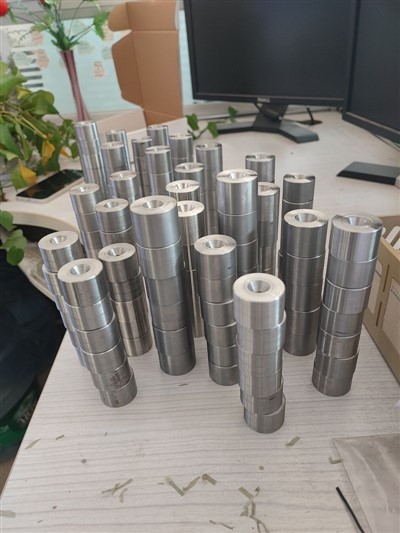
Hey there! As a supplier of Drawing Die Accessories, I've been in the game for quite some time. And one question that keeps popping up is, "What is the role of guides in drawing die accessories?" Well, let's dive right in and have a good chat about it.
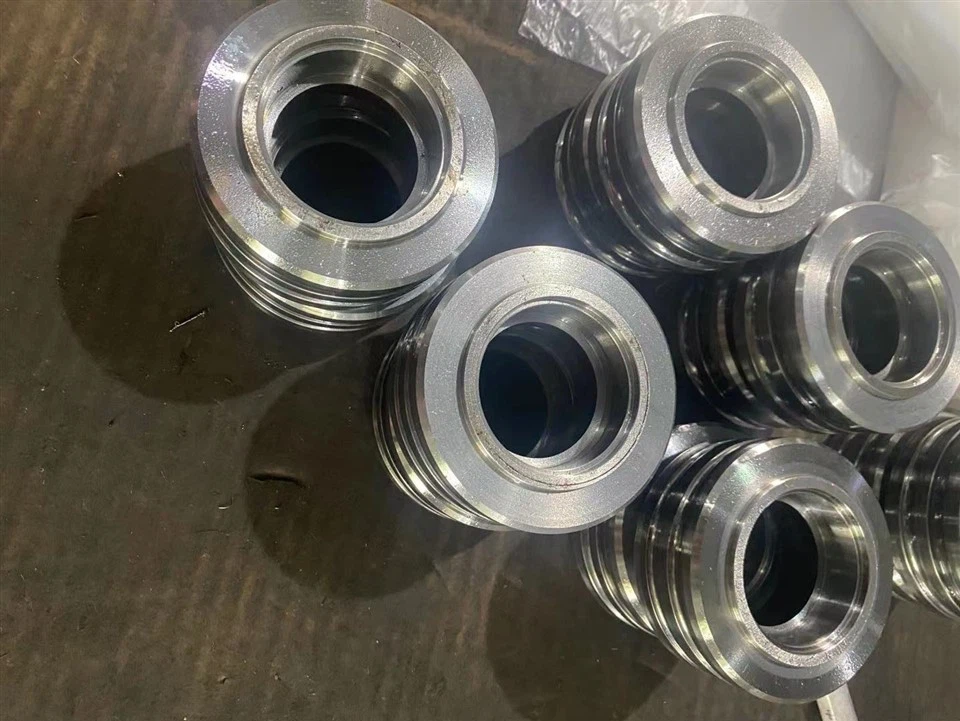
First off, let's talk a bit about what drawing die accessories are. Drawing die accessories are essential components used in various industries, especially in metalworking and wire drawing. They help in the process of shaping, stretching, and forming materials like wires, rods, and tubes. If you're interested in learning more about these amazing accessories, you can check out Drawing Die Accessories.
Now, onto the guides. Guides play a crucial role in the drawing process. Their main job is to keep the material being drawn on the right track. Imagine you're trying to draw a straight line with a pencil. If you don't have a ruler to guide you, the line will probably end up wobbly and uneven. Well, it's the same with the drawing process. Without proper guides, the material can veer off course, leading to all sorts of problems.
One of the key functions of guides is to ensure the alignment of the material. When the material is being drawn through the die, it needs to enter at the correct angle and position. Guides help in achieving this precise alignment. They are designed to hold the material firmly and direct it towards the die in a straight and controlled manner. This is important because if the material enters the die at the wrong angle, it can cause uneven wear on the die, or even lead to the material getting stuck, which can be a real headache.
Another important role of guides is to reduce friction. As the material moves through the drawing process, there is a lot of friction between the material and the die, as well as between the material and the guides themselves. High friction can cause several issues, such as increased wear and tear on the equipment, and even affect the quality of the finished product. Guides are made from materials that have low friction coefficients, and they are often lubricated to further reduce friction. This not only helps in prolonging the life of the equipment but also ensures a smoother drawing process and a better - quality end product.
Guides also help in maintaining the stability of the drawing process. They prevent the material from vibrating or fluttering as it moves through the die. This is particularly important when dealing with thin or delicate materials. If the material vibrates or flutters, it can lead to inconsistent diameters, surface defects, and other quality issues. By providing a stable path for the material, guides help in producing consistent and high - quality drawn products.
In the world of drawing die accessories, different types of guides are used depending on the specific application. For example, there are stationary guides that are fixed in place and provide a simple and stable path for the material. These are often used in basic drawing operations where the material movement is relatively straightforward.
Then, there are adjustable guides. These guides can be adjusted to accommodate different sizes and shapes of materials. They are very versatile and are commonly used in situations where there is a need to draw a variety of materials with different dimensions. Adjustable guides allow for more flexibility in the drawing process and can be adjusted on - the - fly to meet changing production requirements.
There are also rotary guides. These guides are designed to rotate as the material passes through them. Rotary guides are useful in reducing friction even further, especially in high - speed drawing operations. The rotation of the guide helps to distribute the friction evenly around the circumference of the guide, which results in less wear and a smoother drawing process.
If you're into high - precision drawing operations, you might also come across some advanced guides that are made from special materials like tungsten carbide. Tungsten carbide is known for its hardness, wear resistance, and excellent mechanical properties. Guides made from tungsten carbide can withstand the high pressures and forces involved in the drawing process without wearing out quickly. To learn more about tungsten carbide in the context of our industry, you can visit Tungsten Carbide Alloy Rolls.
Capstans are another important part of the drawing process, and they often work in conjunction with guides. Capstan accessories are used to control the speed and tension of the material being drawn. If you want to explore more about capstan accessories and their manufacturers, you can click on Capstan Accessories Manufacturers.
When it comes to choosing the right guides for your drawing die accessories, there are several factors to consider. First of all, you need to think about the type of material you'll be drawing. Different materials have different properties, such as hardness, ductility, and surface finish requirements. For example, if you're drawing a very hard material, you'll need guides that are made from a hard - wearing material like tungsten carbide.
The drawing speed is also an important consideration. High - speed drawing operations require guides that can handle the increased friction and forces. Rotary guides are often a good choice for high - speed applications.
The accuracy and precision of your drawing process also play a role in guide selection. If you need a very high level of dimensional accuracy in your finished product, you'll need guides that can provide precise alignment and control.
As a supplier of Drawing Die Accessories, I understand the importance of having the right guides for your specific needs. We offer a wide range of high - quality guides, along with other drawing die accessories, to meet the diverse requirements of our customers. Whether you're a small - scale workshop or a large - scale manufacturing plant, we've got you covered.
If you're in the market for drawing die accessories, including top - notch guides, we'd love to have a chat with you. We can help you select the right products based on your specific application and requirements. Don't hesitate to reach out if you have any questions or if you're ready to start a purchase.
Remember, having the right guides in your drawing die accessories setup can make a world of difference in the quality, efficiency, and productivity of your drawing process. So, take the time to choose wisely, and if you need any assistance, we're here for you.
References


- Metalworking Handbook,various industry manuals on wire drawing and die accessories.
- Articles from industry - related trade magazines and journals.