Hey there! As a supplier of Welding Wire Layer Winder, I'm stoked to delve into the nitty - gritty of wire position control accuracy in these machines.
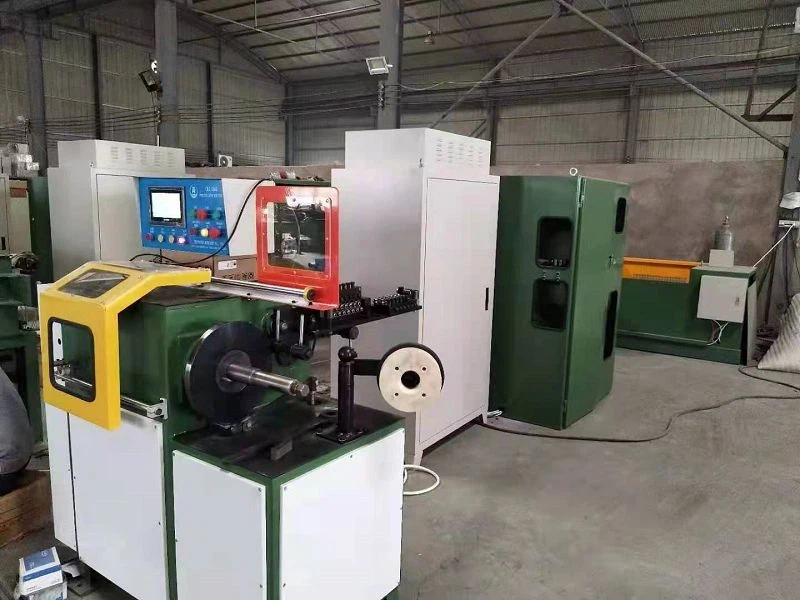
First off, let's understand what a Welding Wire Layer Winder does. It's a piece of equipment that neatly winds welding wire onto spools or other winding cores in an orderly, layered fashion. This isn't just about making the wire look good on the spool; it has far - reaching implications for the quality of the welding process down the line.
Why Accuracy of Wire Position Control Matters
The accuracy of wire position control is the linchpin of the entire Welding Wire Layer Winder operation. When the wire is wound with high precision, it ensures that the wire unwinds smoothly during the welding process. Imagine a scenario where the wire is haphazardly wound. It could lead to tangles, snags, and uneven feeding of the wire into the welding torch. These issues can cause inconsistent welds, porosity, and even complete welding failures.
In industries where high - quality welds are non - negotiable, like aerospace and automotive manufacturing, the accuracy of wire position control can make or break a project. A single faulty weld can compromise the structural integrity of an aircraft component or an automotive frame, leading to safety hazards and costly recalls.
Factors Affecting the Accuracy of Wire Position Control
1. Mechanical Design
The mechanical design of the Welding Wire Layer Winder plays a crucial role. The guides, pulleys, and spools need to be precisely engineered. Any misalignment in these components can cause the wire to deviate from its intended path. For example, if a pulley is slightly off - center, the wire will experience uneven tension as it passes over it, leading to inaccurate winding.
2. Control Systems
Modern Welding Wire Layer Winders are equipped with advanced control systems. These can be based on programmable logic controllers (PLCs) or other sophisticated electronics. The control system is responsible for coordinating the movement of the wire guide and the rotation of the spool. It needs to be calibrated accurately to ensure that the wire is laid down at the correct pitch and tension.
3. Wire Properties
The properties of the welding wire itself also impact the accuracy of position control. Things like the wire's diameter, stiffness, and surface roughness can affect how it behaves during winding. Thicker wires may require more force to guide, and a wire with a rough surface may cause more friction, leading to inconsistent winding.
Measuring the Accuracy of Wire Position Control
To measure the accuracy of wire position control, several methods can be used. One common approach is to use optical sensors. These sensors can detect the position of the wire as it is being wound and compare it to the desired position. Any deviation can be immediately detected, and the control system can make adjustments in real - time.
Another method involves measuring the tension of the wire during winding. Consistent tension is a good indicator of accurate wire positioning. If the tension fluctuates too much, it's likely that the wire is not being wound correctly.
Our Approach as a Supplier
At our company, we take the accuracy of wire position control very seriously. We've invested a lot in research and development to improve our Welding Wire Layer Winders. Our mechanical designs are constantly refined to minimize any potential misalignments. We use high - quality materials for our guides and pulleys to ensure smooth wire movement.
In terms of control systems, we've developed state - of the - art algorithms that can adapt to different wire properties and winding requirements. Our control systems are also user - friendly, allowing operators to easily adjust settings for optimal accuracy.
We also offer comprehensive training and support to our customers. We understand that even the most advanced machine needs to be operated correctly to achieve the best results. So, we make sure that our customers know how to use our machines effectively and how to troubleshoot any issues that may arise.
Industry Standards and Benchmarks
The welding industry has some standards and benchmarks when it comes to wire winding accuracy. These standards are in place to ensure the quality and consistency of welding wire products. For example, there are specifications regarding the maximum allowable deviation in wire position during winding.
As a responsible supplier, we make sure that our Welding Wire Layer Winders meet or exceed these industry standards. This not only gives our customers peace of mind but also helps them stay compliant with regulations in their respective industries.
The Future of Wire Position Control Accuracy
The future looks bright for improving the accuracy of wire position control in Welding Wire Layer Winders. With the advent of technologies like artificial intelligence and machine learning, we can expect even more precise control systems. These technologies can analyze large amounts of data from sensors and make real - time adjustments to optimize wire winding accuracy.
We're also seeing advancements in materials science that could lead to better - performing guides and pulleys. These new materials could reduce friction and wear, further improving the accuracy and longevity of our machines.

Conclusion and Call to Action
In conclusion, the accuracy of wire position control in a Welding Wire Layer Winder is a critical factor in ensuring the quality of welding wire products. As a leading supplier in the industry, we're committed to providing the most accurate and reliable Welding Wire Layer Winders on the market.
If you're in the market for a Welding Wire Layer Winder, or if you're looking to upgrade your existing equipment, we'd love to have a chat with you. Whether you're a small - scale welding shop or a large - scale manufacturing plant, we have the right solution for you. We can provide you with detailed information, product demonstrations, and competitive quotes. So, don't hesitate to reach out and start a conversation about how we can meet your wire winding needs!
References
- Industry reports on welding wire manufacturing and equipment.
- Technical papers on wire winding technology and control systems.