Yo, what's up! As a supplier of welding wire auxiliary equipment, I've been dealing with all sorts of stuff related to these machines. One of the big issues that often comes up is electromagnetic interference (EMI) in our welding wire auxiliary equipment. Let's dig into this topic and see what's going on.
What is Electromagnetic Interference?
First off, let's talk about what EMI is. Electromagnetic interference is basically the disturbance that affects an electrical circuit due to either electromagnetic induction or electromagnetic radiation emitted from an external source. In simple terms, it's like a pesky little bug that messes with the normal operation of our equipment.
There are two main types of EMI: conducted and radiated. Conducted EMI travels through power lines and signal cables. It can be caused by things like electrical motors, power supplies, or even other nearby equipment. Radiated EMI, on the other hand, is emitted into the air as electromagnetic waves. This can come from sources like radio transmitters, cell phones, or even the welding process itself.
EMI Issues in Welding Wire Auxiliary Equipment
Now, let's get into how EMI affects our welding wire auxiliary equipment. These machines are often used in industrial settings where there are a lot of electrical devices and machinery operating at the same time. This creates a complex electromagnetic environment that can cause all sorts of problems.
One of the most common issues is malfunctions in the control systems of the equipment. Our welding wire auxiliary equipment relies on precise control systems to operate smoothly. EMI can disrupt these control signals, causing the equipment to behave erratically. For example, it might cause the wire feeding speed to fluctuate, leading to inconsistent welding quality.
Another problem is interference with the sensors and detectors in the equipment. These sensors are used to monitor things like wire tension, temperature, and position. EMI can cause false readings, which can lead to incorrect operation of the equipment. This can result in wasted materials, increased downtime, and even safety hazards.
Sources of EMI in Welding Environments
There are several sources of EMI in welding environments. The welding process itself is a major source. When an electric arc is created during welding, it generates a large amount of electromagnetic radiation. This radiation can interfere with nearby equipment.
Power supplies are also a common source of EMI. The switching power supplies used in many welding wire auxiliary equipment can generate high-frequency noise that can spread through the power lines and affect other devices.
Other sources of EMI include radio frequency (RF) transmitters, cell phones, and even fluorescent lighting. These sources can emit electromagnetic waves that can interfere with the operation of our equipment.
How to Deal with EMI Issues
So, what can we do to deal with these EMI issues? There are several strategies that we can use.
One of the most effective ways is to use shielding. Shielding involves enclosing the equipment or components in a conductive material that blocks electromagnetic radiation. This can be done using metal enclosures or conductive coatings. By shielding the equipment, we can reduce the amount of EMI that reaches the sensitive components.
Another strategy is to use filters. Filters can be installed in the power lines and signal cables to block high-frequency noise. There are different types of filters available, such as low-pass filters, high-pass filters, and band-pass filters. The type of filter used depends on the specific requirements of the equipment.
We can also use grounding techniques to reduce EMI. Grounding provides a path for the electromagnetic energy to flow to the ground, reducing the amount of interference in the equipment. Proper grounding is essential for the safe and reliable operation of our welding wire auxiliary equipment.
Our Solutions as a Supplier
As a supplier of welding wire auxiliary equipment, we understand the importance of dealing with EMI issues. That's why we offer a range of products and services to help our customers minimize the impact of EMI on their equipment.
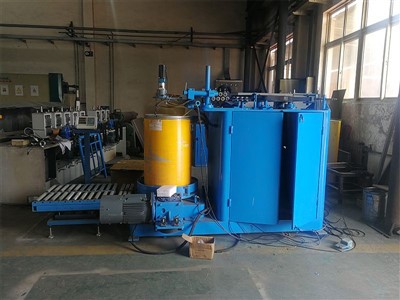
For example, we offer Barrel Packaging Equipment that is designed with EMI shielding in mind. Our barrels are made of high-quality materials that provide excellent protection against electromagnetic radiation. This helps to ensure that the welding wire inside the barrel is not affected by EMI.
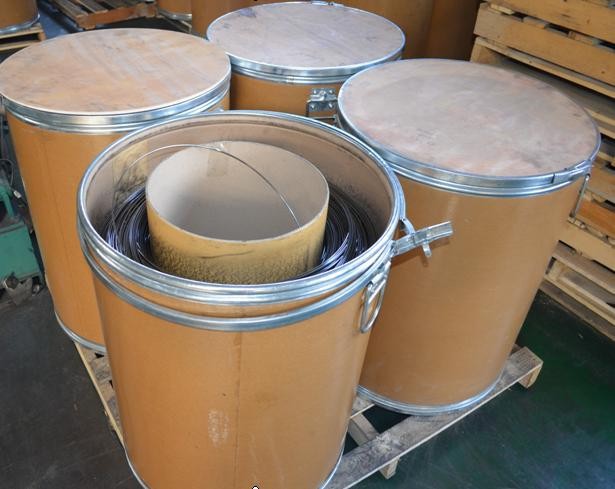

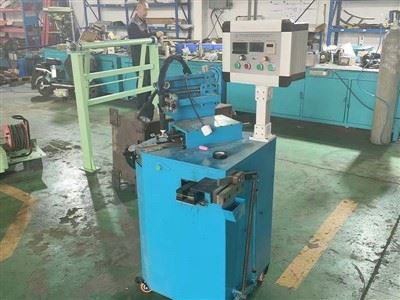
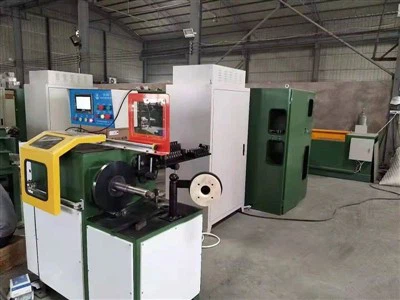
We also work with Steel Strip Winding Machine Manufacturers to develop machines that are resistant to EMI. Our steel strip winding machines are equipped with advanced control systems and filters to reduce the impact of EMI on their operation.
In addition, we offer Barrel Packaging Equipment Manufacturers services to help our customers customize their equipment to meet their specific needs. We can provide shielding, filtering, and grounding solutions to ensure that their equipment operates smoothly in a high-EMI environment.
Conclusion
Electromagnetic interference is a significant issue in welding wire auxiliary equipment. It can cause malfunctions, false readings, and other problems that can affect the performance and reliability of the equipment. However, by understanding the sources of EMI and using appropriate strategies to deal with it, we can minimize its impact.
As a supplier of welding wire auxiliary equipment, we are committed to providing our customers with high-quality products and services that are resistant to EMI. If you're facing EMI issues with your welding wire auxiliary equipment, or if you're looking for solutions to prevent them, don't hesitate to get in touch with us. We're here to help you find the best solutions for your needs.
References
- Electromagnetic Compatibility Engineering, Henry W. Ott
- Welding Handbook, American Welding Society