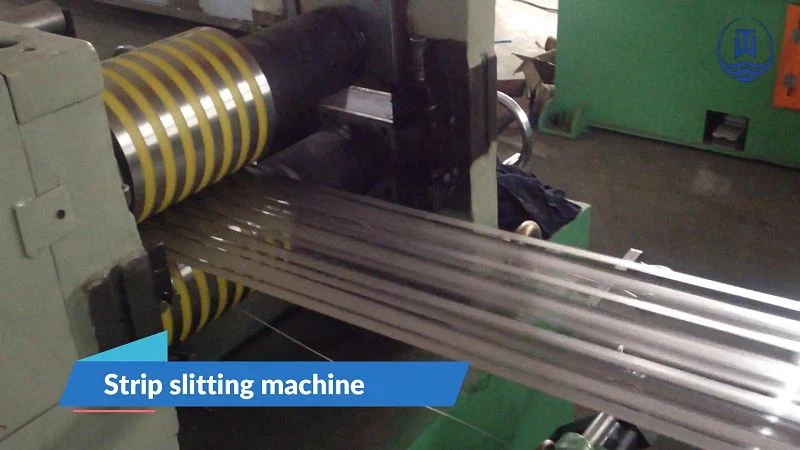
Hey there! As a supplier of welding wire winding machinery, I often get asked about how to set the winding parameters on these machines. It's a crucial aspect that can significantly impact the quality and efficiency of the winding process. So, let's dive right in and explore this topic in detail.
Understanding the Basics of Welding Wire Winding Machinery
Before we start talking about setting the parameters, it's important to have a basic understanding of what welding wire winding machinery does. These machines are designed to wind welding wire onto spools or other containers in a neat and organized manner. The quality of the winding can affect the performance of the welding wire during use, so getting the parameters right is key.
Key Winding Parameters
There are several key parameters that you need to consider when setting up your welding wire winding machinery. Let's take a look at each of them.
Winding Speed
The winding speed is one of the most important parameters. It determines how fast the wire is wound onto the spool. If the speed is too high, the wire may not be wound evenly, leading to issues like overlapping or loose winding. On the other hand, if the speed is too low, the process can be time - consuming and less efficient.
To set the winding speed, you need to consider the type of welding wire you're using. Thicker wires usually require a slower winding speed to ensure proper winding. You can start by referring to the manufacturer's recommendations for the specific wire you're working with. Then, you can make small adjustments based on the actual winding results.
Tension
Tension is another critical parameter. It refers to the amount of force applied to the wire during the winding process. If the tension is too high, the wire may break or become damaged. If the tension is too low, the wire may not be wound tightly enough, resulting in a loose spool.
To set the tension, most welding wire winding machines have a tension adjustment mechanism. You can start by setting the tension to a medium level and then test the winding. If the wire is too loose, increase the tension slightly. If it's too tight, decrease it. It may take a few trials to get the perfect tension for your specific wire and machine.
Layer Thickness
The layer thickness determines how many layers of wire are wound on top of each other. This parameter affects the overall size and shape of the spool. A thicker layer may result in a larger spool, but it can also make the winding process more challenging.
To set the layer thickness, you need to consider the capacity of the spool and the requirements of your application. If you need a large amount of wire on a single spool, you may need to increase the layer thickness. However, be careful not to make it too thick, as it can cause the wire to become tangled or unevenly wound.
Spool Size
The size of the spool is also an important factor. Different spools have different capacities and dimensions. You need to choose a spool that is appropriate for the amount of wire you want to wind and the requirements of your welding process.
When setting up the machine for a specific spool size, you may need to adjust the winding parameters accordingly. For example, a larger spool may require a slower winding speed and a different tension setting.
Using Advanced Features of Welding Wire Winding Machinery
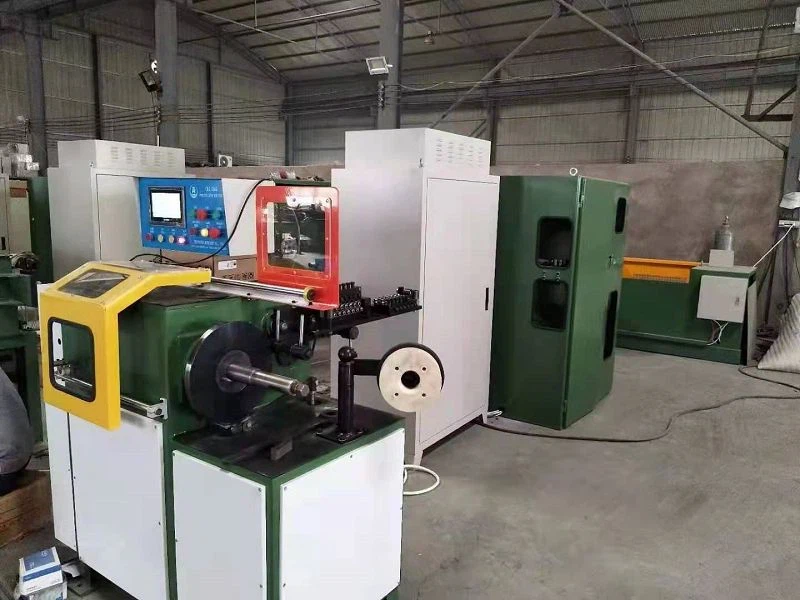
Many modern welding wire winding machines come with advanced features that can make the parameter - setting process easier and more accurate. For example, some machines have digital displays that show the current winding speed, tension, and other parameters. This allows you to monitor and adjust the settings in real - time.
Some machines also have programmable settings. You can save different sets of parameters for different types of wires or spools. This can save you a lot of time and effort, especially if you frequently work with different materials.
Troubleshooting Common Issues
Even with the best parameter settings, you may encounter some issues during the winding process. Here are some common problems and how to solve them.
Uneven Winding
If you notice that the wire is not being wound evenly, it could be due to a problem with the tension or the winding speed. Check the tension setting and make sure it's consistent throughout the winding process. You may also need to adjust the winding speed to ensure a smooth and even winding.
Wire Breakage
Wire breakage can be caused by excessive tension or a problem with the wire itself. Check the tension setting and make sure it's not too high. If the wire is of poor quality, it may be more prone to breakage. Consider using a higher - quality wire.
Loose Spool
A loose spool can be the result of low tension or improper winding. Increase the tension slightly and make sure the wire is being wound tightly. You may also need to adjust the layer thickness to ensure a more compact spool.
Where to Find More Information
If you want to learn more about welding wire winding machinery and setting the parameters, there are several resources available. You can visit our website to find more detailed information about our Wire Layer Winding Machine. We also have a list of Welding Wire Layer Winder Manufacturers and Wire Layer Winding Machine Manufacturers on our site, which can provide you with more options and insights.


Conclusion
Setting the winding parameters on welding wire winding machinery is a crucial step in ensuring the quality and efficiency of the winding process. By understanding the key parameters like winding speed, tension, layer thickness, and spool size, and using the advanced features of modern machines, you can achieve optimal results.
If you're in the market for welding wire winding machinery or need help with setting the parameters, don't hesitate to reach out. We're here to assist you in finding the right solutions for your needs. Whether you're a small - scale workshop or a large - scale manufacturing facility, we can provide you with the support and expertise you need.
References
- Manufacturer's manuals for welding wire winding machinery
- Industry standards and best practices for welding wire winding