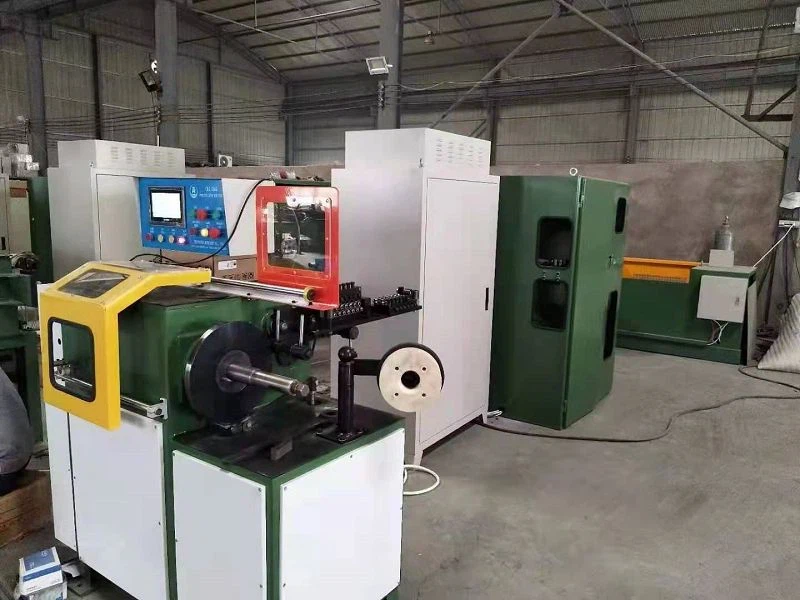
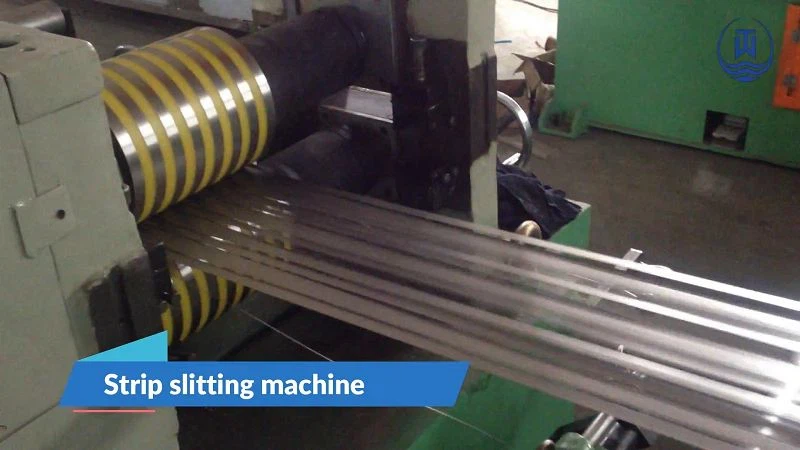
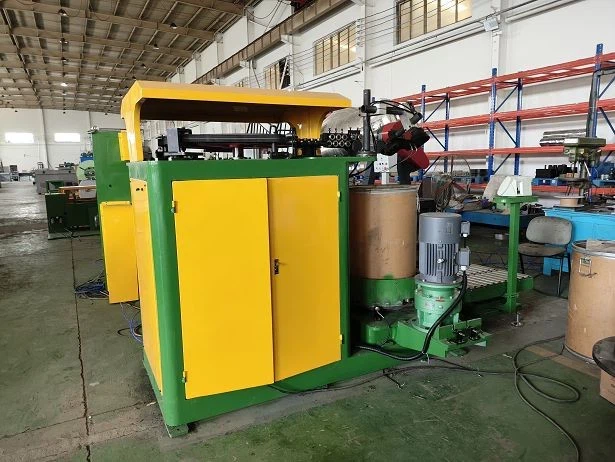
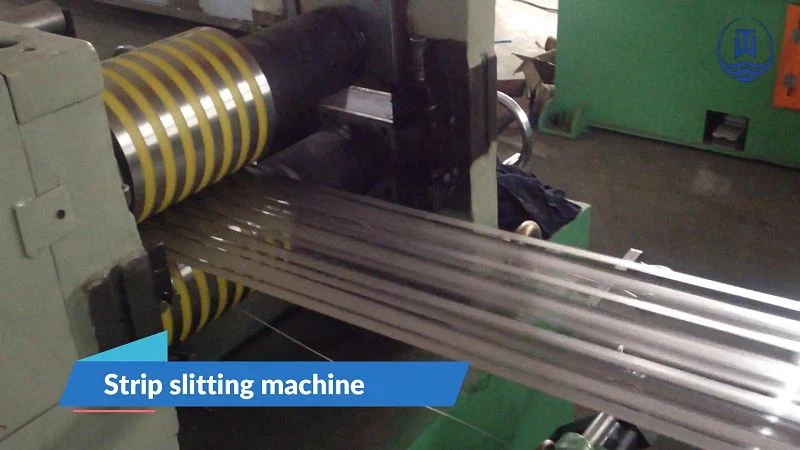
Hey there! As a supplier of steel strip processing machinery, I often get asked about how to adjust the tension of steel strips in the processing machinery. It's a crucial aspect that can significantly impact the quality of the final product. So, let's dive right into it.
Why is Tension Adjustment Important?
First off, let's understand why adjusting the tension of steel strips is so important. When the tension is too high, it can lead to excessive stretching of the steel strip, which may cause it to break or develop cracks. On the other hand, if the tension is too low, the strip may sag or wrinkle, affecting the precision of the processing. This can result in uneven cuts, poor welding, or other quality issues.
Factors Affecting Tension
There are several factors that can affect the tension of steel strips in processing machinery. These include the speed of the machinery, the thickness and width of the steel strip, the type of processing (such as cutting, slitting, or welding), and the condition of the equipment.


- Speed of the Machinery: Faster speeds generally require higher tension to keep the strip in place. If the speed is too high and the tension is too low, the strip may slip or move erratically.
- Thickness and Width of the Steel Strip: Thicker and wider strips usually need more tension to be properly processed. Thinner strips may require less tension to avoid damage.
- Type of Processing: Different types of processing have different tension requirements. For example, cutting may require a different tension than slitting or welding.
- Condition of the Equipment: Worn-out or damaged equipment can affect the tension control. It's important to regularly maintain and inspect the machinery to ensure proper tension adjustment.
Methods of Tension Adjustment
Now, let's talk about the methods of adjusting the tension of steel strips in processing machinery. There are several ways to do this, and the choice depends on the specific machinery and the requirements of the processing.
- Mechanical Tensioning: This is one of the most common methods. It involves using mechanical devices such as tensioning rollers or brakes to adjust the tension. These devices can be adjusted manually or automatically. For example, you can adjust the pressure of the tensioning rollers to increase or decrease the tension on the steel strip.
- Hydraulic Tensioning: Hydraulic systems are often used in larger processing machinery. They can provide more precise and consistent tension control. Hydraulic cylinders can be used to apply pressure to the tensioning rollers, allowing for fine-tuning of the tension.
- Electronic Tension Control: Many modern processing machines are equipped with electronic tension control systems. These systems use sensors to measure the tension of the steel strip and adjust it automatically. They can provide real-time feedback and ensure that the tension remains within the desired range.
Step-by-Step Guide to Adjusting Tension
Here's a step-by-step guide on how to adjust the tension of steel strips in processing machinery:
- Understand the Requirements: Before you start adjusting the tension, you need to understand the specific requirements of the processing. This includes the type of steel strip, the processing method, and the desired quality of the final product.
- Inspect the Equipment: Check the condition of the processing machinery, including the tensioning devices, rollers, and brakes. Make sure everything is in good working order.
- Set the Initial Tension: Based on the requirements, set the initial tension using the appropriate method (mechanical, hydraulic, or electronic). Start with a relatively low tension and gradually increase it as needed.
- Monitor the Tension: Use sensors or other monitoring devices to keep an eye on the tension of the steel strip during processing. If the tension is too high or too low, make the necessary adjustments.
- Fine-Tune the Tension: As you process the steel strip, you may need to fine-tune the tension to ensure consistent quality. This may involve making small adjustments to the tensioning devices or the processing speed.
- Test the Product: After adjusting the tension, test the processed steel strip to ensure that it meets the desired quality standards. If there are any issues, make further adjustments to the tension.
Tips for Optimal Tension Adjustment
Here are some tips to help you achieve optimal tension adjustment in steel strip processing machinery:
- Use High-Quality Equipment: Investing in high-quality processing machinery and tensioning devices can make a big difference in the quality of the final product. Look for equipment that is reliable, easy to operate, and has good tension control capabilities.
- Regular Maintenance: Regularly maintain and inspect the processing machinery to ensure that it is in good working order. This includes cleaning, lubricating, and replacing worn-out parts.
- Train Your Operators: Make sure your operators are properly trained on how to adjust the tension of steel strips in the processing machinery. They should understand the importance of tension control and how to use the equipment effectively.
- Monitor and Record the Tension: Keep a record of the tension settings and the processing results. This can help you identify any trends or issues and make adjustments as needed.
Conclusion
Adjusting the tension of steel strips in processing machinery is a critical step in ensuring the quality of the final product. By understanding the factors that affect tension, using the appropriate adjustment methods, and following the tips outlined above, you can achieve optimal tension control and produce high-quality steel strips.
If you're in the market for steel strip processing machinery, we're here to help. We offer a wide range of Steel Strip Cutting Equipment Manufacturers and Steel Coil Strip Slitting Machine Manufacturers. Our Steel Coil Strip Slitting Machine is designed to provide precise tension control and high-quality processing. Contact us today to discuss your specific needs and let's work together to find the best solution for your business.
References
- Smith, J. (2020). Steel Strip Processing: A Comprehensive Guide. Industrial Press.
- Johnson, M. (2019). Tension Control in Metal Processing. Metalworking Magazine.