Hey there! As a supplier of Wire Layer Winding Machines, I often get asked about the materials used for the winding spools in these machines. In this blog post, I'm gonna break down the different materials commonly used for winding spools and why they matter.
Why the Right Spool Material is a Big Deal
First off, let's talk about why the material of the winding spool is so important. The spool has to handle the wire during the winding process, which means it needs to be strong enough to withstand the tension and weight of the wire. It also has to be able to rotate smoothly to ensure an even and efficient winding. Different materials have different properties, and choosing the right one can make a huge difference in the performance of the wire layer winding machine.
Common Materials for Winding Spools
Plastic Spools
Plastic is one of the most commonly used materials for winding spools. There are a few reasons for this. First of all, plastic is lightweight, which makes it easy to handle and transport. It's also relatively inexpensive, which can save you some money in the long run.
Plastic spools are great for applications where the wire doesn't require a high level of tension or durability. For example, if you're winding thin wires for electronics or small-scale projects, plastic spools are a good choice. They come in a variety of shapes and sizes, and can be easily customized to fit your specific needs.


However, plastic spools do have some limitations. They're not as strong as some other materials, so they may not be suitable for heavy-duty applications. They can also be prone to cracking or breaking if they're exposed to too much stress or extreme temperatures.
Metal Spools
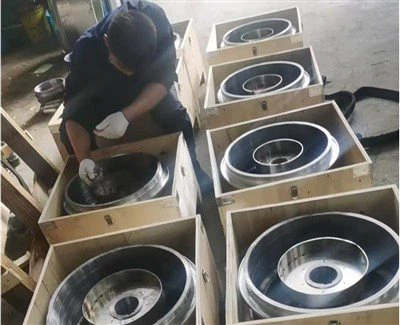
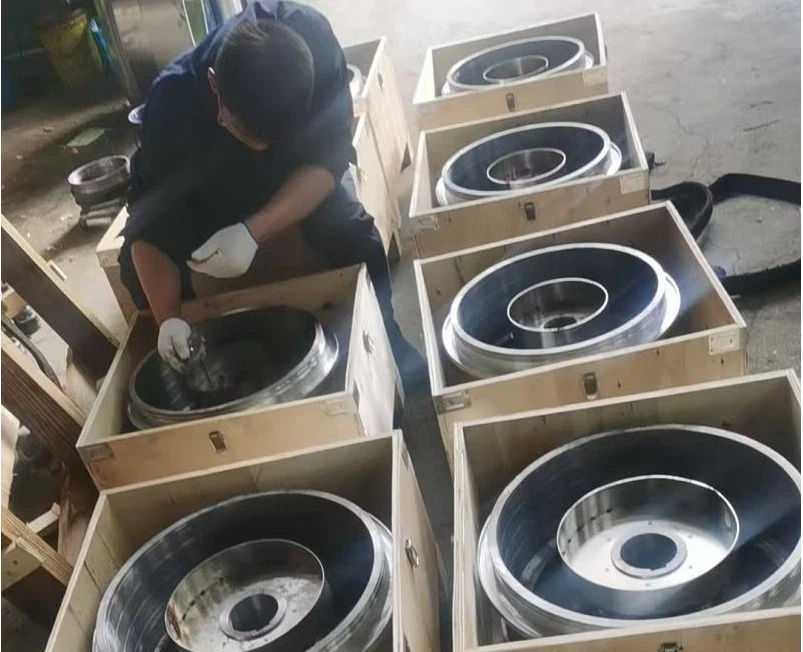
Metal spools are another popular option. They're known for their strength and durability, which makes them ideal for heavy-duty applications. Metal spools can handle high levels of tension and are less likely to deform or break under pressure.
Steel and aluminum are two of the most commonly used metals for winding spools. Steel spools are extremely strong and can withstand a lot of wear and tear. They're often used in industrial settings where the wire is thick and heavy. Aluminum spools, on the other hand, are lighter than steel but still offer good strength and durability. They're a popular choice for applications where weight is a concern, such as in the aerospace industry.
One drawback of metal spools is that they're more expensive than plastic spools. They also require more maintenance to prevent rust and corrosion. But if you need a spool that can handle the toughest jobs, a metal spool is definitely worth the investment.
Composite Spools
Composite spools are a relatively new option in the world of wire winding. They're made by combining different materials, such as fiberglass and resin, to create a spool that has the best properties of both. Composite spools are lightweight, strong, and resistant to corrosion.
One of the main advantages of composite spools is their high strength-to-weight ratio. They can handle a lot of tension without being too heavy, which makes them ideal for applications where weight is a critical factor. They're also very durable and can last a long time with proper care.
However, composite spools are usually more expensive than plastic spools and may not be as widely available. But if you're looking for a high-performance spool that offers the best of both worlds, a composite spool might be the right choice for you.
Choosing the Right Spool Material for Your Needs
So, how do you decide which spool material is right for your wire layer winding machine? Well, it depends on a few factors.
First, consider the type of wire you'll be winding. If you're working with thin, delicate wires, a plastic spool might be sufficient. But if you're dealing with thick, heavy wires, a metal or composite spool would be a better choice.
Next, think about the application. If you're using the wire in a high-stress environment, such as in a manufacturing plant or a construction site, you'll need a spool that can handle the pressure. On the other hand, if you're using the wire for a small-scale project at home, a plastic spool might be all you need.
Finally, consider your budget. Plastic spools are the most affordable option, while metal and composite spools are more expensive. But remember, you get what you pay for, and investing in a high-quality spool can save you money in the long run by reducing downtime and increasing productivity.
Our Wire Layer Winding Machines and Spool Options
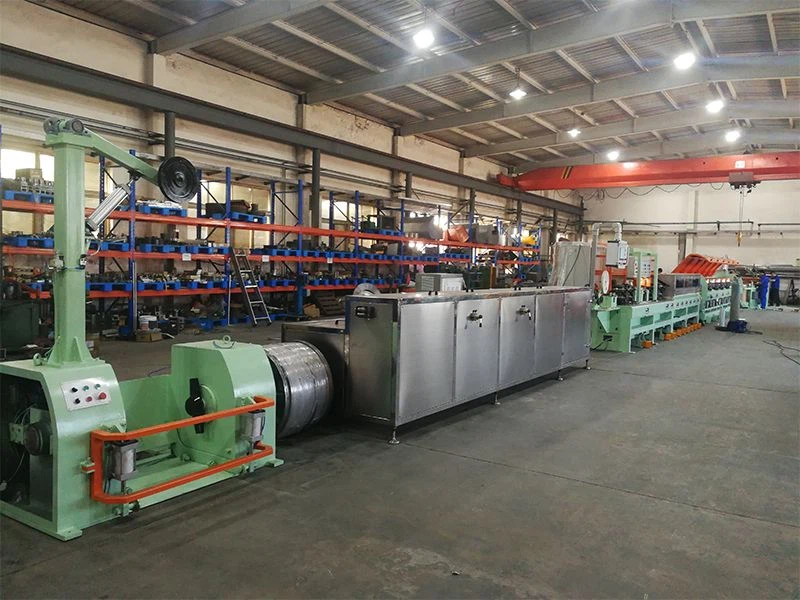
As a supplier of Wire Layer Winding Machines, we offer a wide range of spool options to meet your needs. Whether you're looking for a plastic spool for a small project or a metal spool for a heavy-duty application, we've got you covered.
Our machines are designed to work with different types of spools, ensuring that you can choose the material that's right for your specific requirements. We also provide expert advice and support to help you make the best decision for your business.
If you're interested in learning more about our Welding Wire Layer Winder or our other products, feel free to check out our website. We're also one of the leading Wire Layer Winding Machine Manufacturers and Welding Wire Layer Winder Manufacturers in the industry, and we're committed to providing high-quality products and excellent customer service.
Let's Talk!
If you're in the market for a wire layer winding machine or need to replace your existing spools, don't hesitate to reach out. We're here to answer your questions, provide you with more information, and help you find the perfect solution for your needs. Whether you're a small business owner or a large industrial manufacturer, we've got the expertise and the products to meet your requirements. So, let's start a conversation and see how we can work together to take your wire winding operations to the next level.
References
- "Materials Science and Engineering: An Introduction" by William D. Callister Jr. and David G. Rethwisch
- "Handbook of Welding Processes" by George E. Totten and James L. Bates