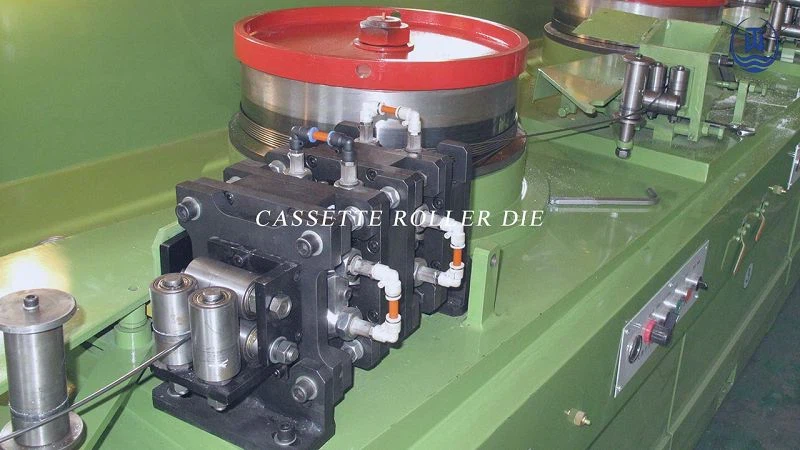
A flux-cored wire manufacturing machine is a complex piece of equipment designed to produce flux-cored welding wires. These wires are widely used in the welding industry due to their high deposition rates, excellent weld quality, and ease of use. One of the critical components of a flux-cored wire manufacturing machine is its lubrication system. In this blog post, we'll explore what the lubrication system of a flux-cored wire manufacturing machine is, its importance, and how it operates.
What is the Lubrication System?
The lubrication system in a flux-cored wire manufacturing machine is responsible for reducing friction and wear between moving parts. It ensures smooth operation, extends the lifespan of the machine, and maintains the quality of the produced flux-cored wires. The system typically consists of several components, including lubricant reservoirs, pumps, filters, and distribution lines.
Importance of the Lubrication System
Reducing Friction and Wear
Friction is a major enemy in any mechanical system. In a flux-cored wire manufacturing machine, there are numerous moving parts such as rollers, gears, and conveyors. Without proper lubrication, these parts would rub against each other, leading to excessive wear and tear. This can result in increased maintenance costs, downtime, and even machine failure. By providing a thin film of lubricant between the moving surfaces, the lubrication system reduces friction and minimizes wear, ensuring the machine operates efficiently.
Heat Dissipation
During the manufacturing process, the machine generates a significant amount of heat due to the friction between moving parts. Excessive heat can damage the machine's components and affect the quality of the flux-cored wires. The lubrication system helps dissipate this heat by carrying it away from the source. The lubricant absorbs the heat and transfers it to a cooler area, preventing overheating and maintaining the optimal operating temperature of the machine.
Contaminant Removal
The lubrication system also plays a crucial role in removing contaminants from the machine. As the lubricant circulates through the system, it picks up dirt, debris, and metal particles that may be present in the machine. These contaminants can cause abrasion and damage to the moving parts if not removed. The lubricant passes through filters, which trap the contaminants and prevent them from recirculating in the system. This helps keep the machine clean and extends its lifespan.
Components of the Lubrication System
Lubricant Reservoir
The lubricant reservoir is the storage tank for the lubricant. It holds a sufficient amount of lubricant to ensure continuous operation of the machine. The reservoir is usually made of a durable material such as steel or plastic and is designed to prevent leakage and contamination.
Pumps
Pumps are used to circulate the lubricant through the system. They draw the lubricant from the reservoir and deliver it to the various moving parts of the machine. There are different types of pumps used in the lubrication system, including gear pumps, vane pumps, and piston pumps. The choice of pump depends on the specific requirements of the machine, such as the flow rate and pressure.
Filters
Filters are an essential part of the lubrication system. They remove contaminants from the lubricant, ensuring that only clean lubricant is delivered to the moving parts. There are different types of filters, including cartridge filters, spin-on filters, and magnetic filters. The filters are designed to trap different sizes of contaminants, from large particles to fine dust.
Distribution Lines
The distribution lines are responsible for delivering the lubricant from the pump to the various moving parts of the machine. They are usually made of flexible hoses or rigid pipes and are designed to withstand the pressure and temperature of the lubricant. The distribution lines are carefully routed to ensure that the lubricant reaches all the necessary parts of the machine.
How the Lubrication System Operates
The lubrication system operates in a continuous cycle. The pump draws the lubricant from the reservoir and delivers it to the filters. The filters remove the contaminants from the lubricant, and the clean lubricant is then sent through the distribution lines to the moving parts of the machine. As the lubricant flows over the moving surfaces, it reduces friction and wear. The lubricant then returns to the reservoir, where it is filtered again and recirculated through the system.
Our Flux-Cored Wire Manufacturing Machines
As a leading [role of yourself in the company] of flux-cored wire manufacturing machines, we offer a range of high-quality machines with advanced lubrication systems. Our machines are designed to meet the diverse needs of the welding industry, from small-scale production to large-scale manufacturing.
We have a Small Production Line for Experiments Manufacturers that is ideal for research and development purposes. This line allows you to experiment with different flux-cored wire formulations and manufacturing processes.
Our Multi-functional Flux-cored Welding Wire Production Line is a versatile solution for high-volume production. It can produce a variety of flux-cored wires with different diameters and compositions, meeting the specific requirements of your customers.


If you are looking for a Small Production Line for Experiments, we have the perfect solution for you. Our small production line is easy to operate and maintain, making it suitable for small businesses and startups.
Contact Us for Purchase and Negotiation
If you are interested in our flux-cored wire manufacturing machines or have any questions about our products, please feel free to contact us. We have a team of experienced professionals who can provide you with detailed information and assistance. We are committed to providing high-quality products and excellent customer service. Whether you are a small business or a large manufacturing company, we can help you find the right solution for your needs.
References
- "Welding Handbook", American Welding Society
- "Flux-Cored Arc Welding: Principles and Applications", James F. Lancaster