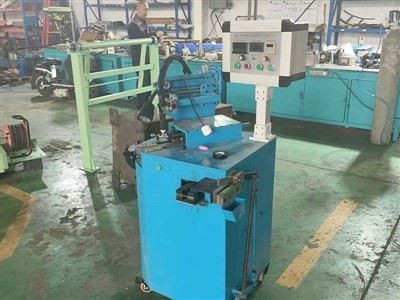
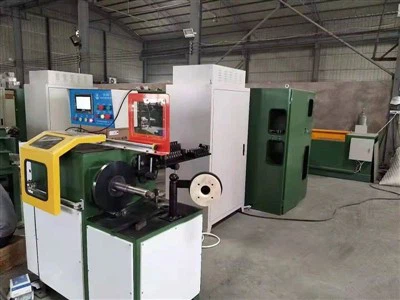
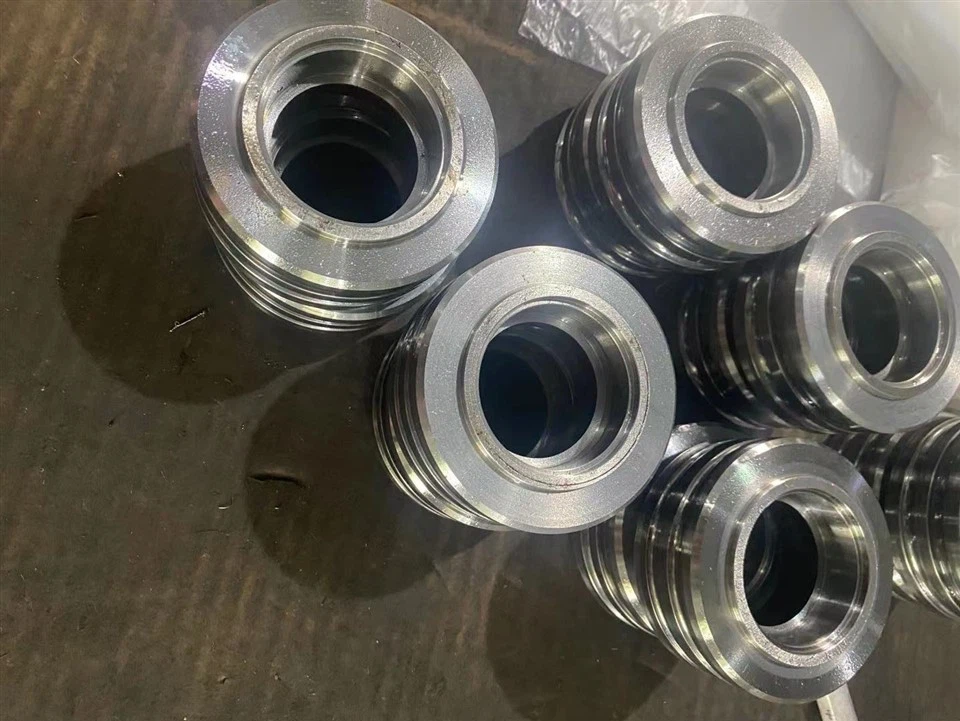
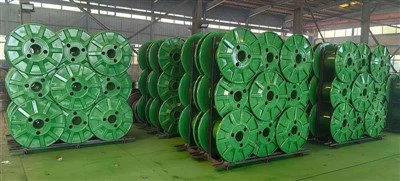
When it comes to steel strip processing machinery, selecting the right cutting tool is crucial for achieving high - quality results, improving efficiency, and reducing costs. As a supplier of steel strip processing machinery, I have witnessed firsthand the impact that the choice of cutting tools can have on the entire production process. In this blog post, I will share some essential factors to consider when choosing the appropriate cutting tool for your steel strip processing needs.
1. Understanding the Types of Steel Strips
The first step in choosing the right cutting tool is to understand the different types of steel strips you will be processing. Steel strips can vary significantly in terms of their composition, hardness, and thickness. For example, mild steel strips are relatively soft and easy to cut, while high - strength alloy steel strips can be extremely hard and require more robust cutting tools.
If you are dealing with mild steel strips, a high - speed steel (HSS) cutting tool may be sufficient. HSS tools are cost - effective and can provide good cutting performance for softer materials. However, for high - strength alloy steel strips, carbide cutting tools are often the better choice. Carbide tools are much harder and more wear - resistant than HSS tools, making them suitable for cutting tough materials. You can find a wide range of steel strip processing machinery that can handle different types of steel strips from Steel Coil Strip Slitting Machine Manufacturers.
2. Cutting Tool Geometry
The geometry of the cutting tool plays a vital role in determining its cutting performance. Different cutting tool geometries are designed for specific cutting operations, such as slitting, shearing, or punching.
For slitting operations, circular knives are commonly used. The diameter, thickness, and tooth profile of the circular knife can affect the cutting quality and efficiency. A larger diameter knife can provide a smoother cut, while a thinner knife can reduce the cutting force. The tooth profile can also impact the chip formation and the surface finish of the cut steel strip.
In shearing operations, straight blades are typically used. The blade's edge angle, clearance angle, and rake angle are important factors to consider. A proper edge angle can ensure a clean cut, while the clearance angle helps to prevent the blade from rubbing against the material. The rake angle affects the cutting force and the chip flow. You can explore various cutting tool geometries offered by Steel Strip Slitting Machine Manufacturers.
3. Cutting Speed and Feed Rate
The cutting speed and feed rate are two critical parameters that need to be carefully adjusted when using cutting tools for steel strip processing. The cutting speed refers to the speed at which the cutting tool moves relative to the steel strip, while the feed rate is the rate at which the steel strip is fed into the cutting tool.
If the cutting speed is too high, the cutting tool may overheat, leading to premature wear and reduced cutting quality. On the other hand, if the cutting speed is too low, the production efficiency will be affected. Similarly, an improper feed rate can also cause problems. A too - high feed rate may result in a rough cut or even damage the cutting tool, while a too - low feed rate can slow down the production process.
The optimal cutting speed and feed rate depend on several factors, including the type of steel strip, the cutting tool material, and the cutting operation. It is often necessary to conduct some tests to determine the best combination of cutting speed and feed rate for your specific application.
4. Tool Coating
Tool coating can significantly improve the performance and lifespan of cutting tools. There are several types of tool coatings available, each with its own advantages.
TiN (Titanium Nitride) coating is one of the most common tool coatings. It provides a hard and wear - resistant surface, which can reduce friction and improve the cutting tool's durability. TiAlN (Titanium Aluminum Nitride) coating is another popular choice. It has a higher hardness and better thermal stability than TiN coating, making it suitable for high - speed cutting operations.
Diamond - like carbon (DLC) coating is also used in some applications. It offers excellent lubricity and low friction, which can reduce the cutting force and improve the surface finish of the cut steel strip. When choosing a cutting tool, consider the type of coating that is most suitable for your specific steel strip processing requirements. You can find cutting tools with various coatings from Steel Strip Cutting Equipment Manufacturers.
5. Tool Maintenance
Proper tool maintenance is essential for ensuring the long - term performance of cutting tools. Regular cleaning, sharpening, and inspection can help to extend the lifespan of the cutting tools and maintain their cutting quality.
After each use, the cutting tools should be cleaned to remove any debris or chips. This can prevent the build - up of material on the cutting edge, which can affect the cutting performance. Sharpening the cutting tools at the appropriate time is also crucial. Dull cutting tools can increase the cutting force, reduce the cutting quality, and cause premature wear.
Inspecting the cutting tools regularly can help to detect any signs of damage or wear. If a cutting tool is damaged, it should be replaced immediately to avoid further problems.
6. Cost - Benefit Analysis
When choosing a cutting tool, it is important to conduct a cost - benefit analysis. While high - quality cutting tools may have a higher initial cost, they can often provide better performance and a longer lifespan, which can result in lower overall costs in the long run.
Consider the cost of the cutting tool, the expected lifespan, the cutting quality, and the production efficiency. A more expensive cutting tool may be justified if it can significantly improve the cutting quality and reduce the production time.
7. Compatibility with the Machinery
The cutting tool must be compatible with your steel strip processing machinery. The size, shape, and mounting requirements of the cutting tool should match the specifications of the machinery.


Using an incompatible cutting tool can lead to problems such as poor cutting performance, excessive vibration, and damage to the machinery. Make sure to consult the machinery manufacturer or a technical expert to ensure that the cutting tool you choose is suitable for your specific machinery.
Conclusion
Choosing the right cutting tool for steel strip processing machinery is a complex decision that requires careful consideration of several factors. By understanding the types of steel strips, the cutting tool geometry, the cutting speed and feed rate, the tool coating, the tool maintenance, the cost - benefit analysis, and the compatibility with the machinery, you can make an informed decision that will help you achieve high - quality results and improve the efficiency of your steel strip processing operations.
If you are in the market for steel strip processing machinery or cutting tools, I encourage you to reach out to us. We are a professional supplier with extensive experience in the industry, and we can provide you with expert advice and high - quality products. Let's start a conversation to find the best solutions for your steel strip processing needs.
References
- Smith, J. (2018). Cutting Tool Technology for Metalworking. Industrial Press.
- Brown, A. (2020). Steel Strip Processing: Principles and Practices. Elsevier.
- Johnson, R. (2019). Tool Coating and Surface Engineering. Springer.