In the fiercely competitive landscape of modern manufacturing, the demand for high - performance components is ever - increasing. Tungsten Carbide Alloy Rolls stand out as a crucial element in various industrial processes, especially in metal rolling. As a dedicated Tungsten Carbide Alloy Rolls supplier, we are constantly exploring ways to optimize the rolling process to meet the evolving needs of our customers.
Understanding Tungsten Carbide Alloy Rolls
Tungsten Carbide Alloy Rolls are renowned for their exceptional hardness, wear resistance, and high - temperature stability. These properties make them ideal for use in rolling mills where they are subjected to extreme pressures, high temperatures, and abrasive forces. They are widely used in the production of steel, aluminum, and other metal products, playing a vital role in shaping and forming these materials.
The structure of tungsten carbide alloy rolls consists of tungsten carbide particles embedded in a metallic binder, typically cobalt. The proportion of tungsten carbide and the binder, as well as the grain size of the tungsten carbide particles, significantly affect the performance of the rolls. For example, a higher percentage of tungsten carbide generally leads to greater hardness and wear resistance, but it may also make the rolls more brittle.
The Significance of Rolling Process Optimization
Optimizing the rolling process of Tungsten Carbide Alloy Rolls is essential for several reasons. Firstly, it can improve the quality of the rolled products. By ensuring a more uniform and precise rolling process, we can reduce surface defects, such as scratches and cracks, and enhance the dimensional accuracy of the products. This is particularly important in industries where high - precision components are required, such as the automotive and aerospace sectors.
Secondly, process optimization can increase the productivity of the rolling mills. By reducing the time required for each rolling pass and minimizing the number of rejected products, we can significantly improve the overall output. This not only saves time and resources but also reduces production costs.
Thirdly, optimizing the rolling process can extend the service life of the Tungsten Carbide Alloy Rolls. By reducing the wear and tear on the rolls, we can delay the need for replacement, which in turn reduces maintenance costs and downtime.
Factors Affecting the Rolling Process
Several factors can influence the rolling process of Tungsten Carbide Alloy Rolls. One of the most important factors is the rolling speed. A higher rolling speed can increase the productivity of the mill, but it also puts more stress on the rolls. If the speed is too high, it can lead to excessive wear, overheating, and even damage to the rolls. Therefore, it is crucial to find the optimal rolling speed that balances productivity and roll durability.
The temperature of the rolls during the rolling process is another critical factor. High temperatures can cause the rolls to expand, which may affect the dimensional accuracy of the rolled products. Moreover, excessive heat can also accelerate the wear of the rolls. To control the temperature, cooling systems are often used to dissipate the heat generated during rolling.
The lubrication of the rolls is also essential. A proper lubricant can reduce the friction between the rolls and the metal being rolled, which not only improves the surface finish of the products but also reduces wear on the rolls. The choice of lubricant depends on various factors, such as the type of metal being rolled, the rolling speed, and the temperature.
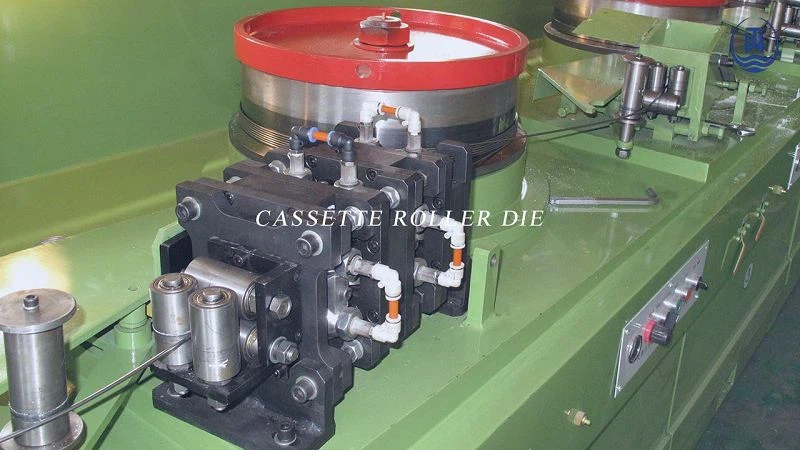

Strategies for Rolling Process Optimization
To optimize the rolling process of Tungsten Carbide Alloy Rolls, we can adopt several strategies.
Material Selection: As a Tungsten Carbide Alloy Rolls Manufacturers, we carefully select the raw materials for our rolls. By choosing high - quality tungsten carbide and the appropriate binder, we can ensure that the rolls have the desired properties. For example, for applications where high wear resistance is required, we may use a higher percentage of tungsten carbide and a fine - grained structure.
Roll Design: The design of the rolls also plays a crucial role in the rolling process. The shape and dimensions of the rolls can affect the distribution of stress and the flow of the metal during rolling. By optimizing the roll design, we can ensure a more uniform rolling process and reduce the risk of defects. For example, a well - designed roll profile can help to control the thickness and shape of the rolled products.
Process Control: Implementing strict process control measures is essential for optimizing the rolling process. This includes monitoring and adjusting the rolling speed, temperature, and lubrication in real - time. By using advanced sensors and control systems, we can ensure that the rolling process operates within the optimal parameters. For example, if the temperature of the rolls exceeds a certain limit, the control system can automatically adjust the cooling rate or reduce the rolling speed.
Maintenance and Inspection: Regular maintenance and inspection of the Tungsten Carbide Alloy Rolls are necessary to ensure their long - term performance. This includes cleaning the rolls, checking for wear and damage, and performing necessary repairs or replacements. By detecting and addressing potential problems early, we can prevent major failures and extend the service life of the rolls.
The Role of Advanced Technologies
In recent years, advanced technologies have played an increasingly important role in the optimization of the rolling process of Tungsten Carbide Alloy Rolls. For example, computer - aided design (CAD) and computer - aided manufacturing (CAM) technologies can be used to design and manufacture rolls with high precision. These technologies allow us to simulate the rolling process and optimize the roll design before production, which can save time and costs.
In addition, the use of artificial intelligence (AI) and machine learning (ML) algorithms can help us to analyze large amounts of data collected during the rolling process. By identifying patterns and trends in the data, we can make more informed decisions about process optimization. For example, AI algorithms can predict the wear of the rolls based on various factors, such as rolling speed, temperature, and material properties, and suggest appropriate maintenance schedules.
Industry Applications and Case Studies
Tungsten Carbide Alloy Rolls are widely used in various industries. In the steel industry, they are used to roll steel bars, sheets, and profiles. The high wear resistance of the rolls ensures that they can withstand the high - pressure and high - temperature conditions during steel rolling, resulting in high - quality steel products.
In the aluminum industry, Tungsten Carbide Alloy Rolls are used to produce aluminum sheets and foils. The precise rolling process enabled by these rolls helps to achieve the desired thickness and surface finish of the aluminum products.
Let's take a look at a case study. A steel rolling mill was facing problems with high roll wear and low product quality. After implementing our optimization strategies, including using high - quality Tungsten Carbide Alloy Rolls, optimizing the roll design, and implementing strict process control, the mill was able to reduce roll wear by 30% and improve the product quality significantly. The productivity of the mill also increased by 20%, resulting in substantial cost savings.
Conclusion and Call to Action
In conclusion, optimizing the rolling process of Tungsten Carbide Alloy Rolls is a complex but rewarding task. By understanding the factors that affect the rolling process, adopting appropriate optimization strategies, and leveraging advanced technologies, we can improve the quality, productivity, and cost - effectiveness of the rolling process.
As a leading supplier of Tungsten Carbide Alloy Rolls, we are committed to providing our customers with the highest - quality products and the most advanced solutions for rolling process optimization. If you are interested in our Tungsten Carbide Alloy Rolls or have any questions about the rolling process optimization, please feel free to contact us for further discussion and potential procurement. We also offer a wide range of Rolling Die Accessories Manufacturers to meet your diverse needs.
References
- Smith, J. (2018). "Advanced Materials for Metal Rolling Processes". Journal of Manufacturing Science.
- Johnson, A. (2019). "Optimization Strategies for Tungsten Carbide Rolls in Rolling Mills". International Journal of Industrial Engineering.
- Brown, R. (2020). "The Role of Technology in Rolling Process Improvement". Manufacturing Technology Review.