What is the rolling noise of Tungsten Carbide Alloy Rolls?
As a supplier of Tungsten Carbide Alloy Rolls, I have encountered numerous inquiries from customers regarding the rolling noise associated with these high - performance rolls. In this blog, I will delve into the concept of rolling noise of Tungsten Carbide Alloy Rolls, its causes, effects, and potential solutions.
Understanding Tungsten Carbide Alloy Rolls
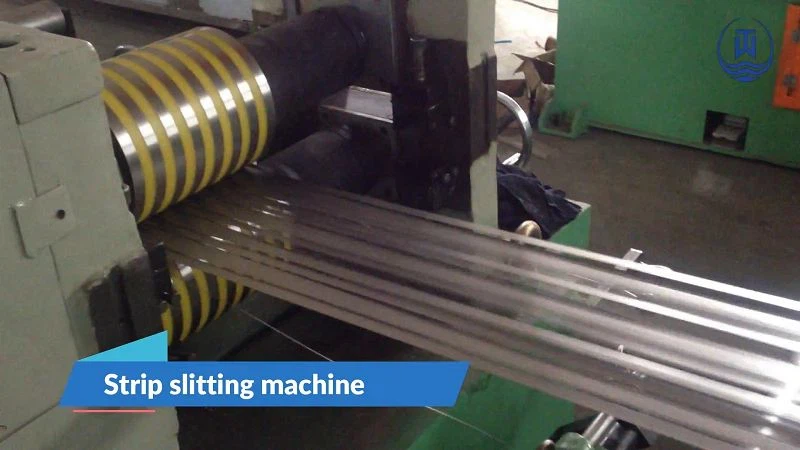
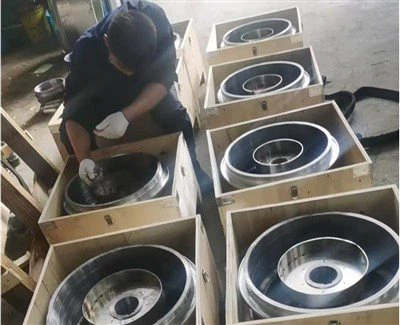
Tungsten Carbide Alloy Rolls are widely used in various industries, such as metal rolling, wire drawing, and tube manufacturing. These rolls are renowned for their exceptional hardness, wear resistance, and toughness, which make them suitable for high - speed and high - pressure rolling operations. The Tungsten Carbide Alloy Rolls are typically made by combining tungsten carbide particles with a metallic binder, usually cobalt. This unique composition gives the rolls their superior mechanical properties.
What is Rolling Noise?
Rolling noise is the sound generated during the rolling process. It is a complex phenomenon that is influenced by multiple factors. When Tungsten Carbide Alloy Rolls are in operation, the interaction between the rolls and the material being rolled creates vibrations, which in turn generate noise. The noise can range from a low - pitched hum to a high - pitched screech, depending on the operating conditions.


Causes of Rolling Noise
- Surface Roughness: The surface finish of the Tungsten Carbide Alloy Rolls plays a crucial role in generating rolling noise. If the surface is rough, it can cause uneven contact with the material being rolled, leading to increased friction and vibration. This uneven contact can create noise as the material passes through the rolls.
- Roll Misalignment: Misaligned rolls can cause uneven pressure distribution during the rolling process. When the rolls are not properly aligned, the material may be subjected to non - uniform forces, resulting in vibrations and noise. This misalignment can be due to improper installation, wear and tear over time, or mechanical damage.
- Material Properties: The properties of the material being rolled also affect the rolling noise. Materials with high hardness or irregular shapes may require more force to roll, which can increase the noise level. Additionally, the presence of impurities or inclusions in the material can cause irregularities in the rolling process and contribute to noise generation.
- Rolling Speed: Higher rolling speeds generally lead to increased rolling noise. As the speed of the rolls increases, the frequency and amplitude of the vibrations also increase, resulting in a louder noise. This is because the faster the rolls rotate, the more rapidly the material is deformed, and the more energy is dissipated in the form of sound.
Effects of Rolling Noise
- Worker Health: Prolonged exposure to high - level rolling noise can have a negative impact on the health of workers. It can cause hearing loss, stress, and fatigue. Workers in the rolling industry are at a higher risk of developing these health problems if proper noise control measures are not implemented.
- Product Quality: Excessive rolling noise can also affect the quality of the rolled product. The vibrations associated with the noise can cause surface defects, such as scratches and unevenness, on the rolled material. This can reduce the overall quality and marketability of the product.
- Equipment Wear: The vibrations generated by the rolling noise can accelerate the wear and tear of the Tungsten Carbide Alloy Rolls and other rolling equipment. This can lead to increased maintenance costs and reduced equipment lifespan.
Solutions to Reduce Rolling Noise
- Surface Finishing: Ensuring a smooth surface finish on the Tungsten Carbide Alloy Rolls can significantly reduce rolling noise. This can be achieved through proper grinding and polishing processes. A smooth surface reduces friction and contact irregularities, resulting in less vibration and noise.
- Roll Alignment: Regularly checking and adjusting the alignment of the rolls is essential to minimize rolling noise. This can be done using precision alignment tools to ensure that the rolls are parallel and properly positioned.
- Material Selection and Preparation: Selecting materials with appropriate properties and ensuring proper preparation can also help reduce rolling noise. This may involve heat treatment, cleaning, and sizing the material before rolling to minimize irregularities.
- Noise - Control Measures: Implementing noise - control measures, such as using sound - absorbing materials in the rolling area and installing noise barriers, can help reduce the impact of rolling noise on workers and the surrounding environment.
Related Accessories
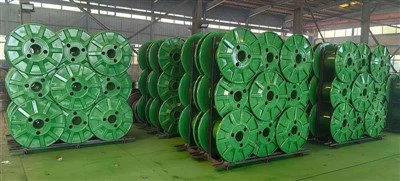
In addition to Tungsten Carbide Alloy Rolls, there are various accessories that can enhance the performance of the rolling process. Bobin Accessories play an important role in the wire and cable industry, providing support and guidance during the rolling process. Similarly, Rolling Die Accessories Manufacturers offer a wide range of products that can improve the efficiency and quality of the rolling operation.
Conclusion
Understanding the rolling noise of Tungsten Carbide Alloy Rolls is crucial for both the suppliers and users of these products. By identifying the causes of rolling noise and implementing appropriate solutions, we can not only improve the working environment for workers but also enhance the quality of the rolled products and the lifespan of the equipment. As a supplier of Tungsten Carbide Alloy Rolls, I am committed to providing high - quality products and solutions to meet the needs of our customers. If you are interested in purchasing Tungsten Carbide Alloy Rolls or related accessories, please feel free to contact us for further discussion and negotiation.
References
- "Handbook of Metal Forming" by George E. Dieter
- "Rolling Technology and Equipment" by various industry experts