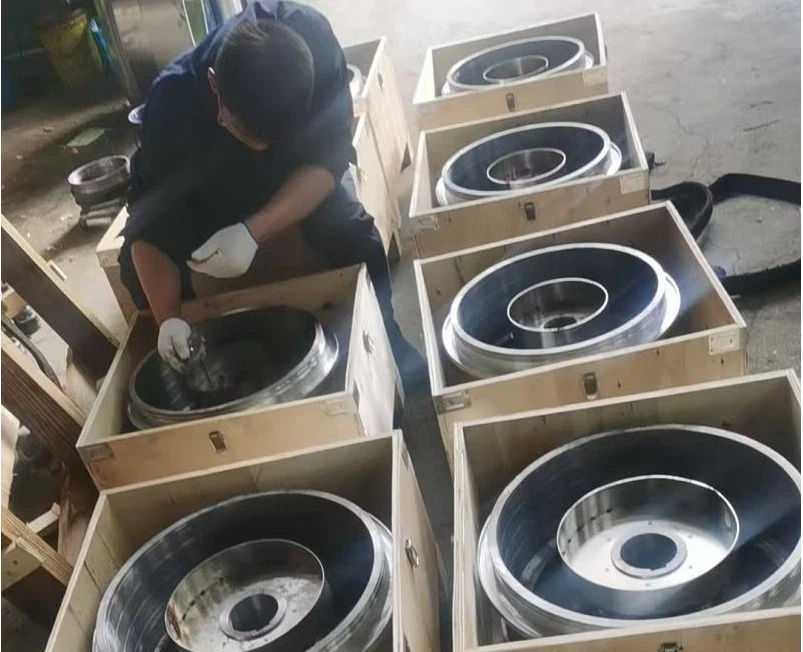
Lubrication plays a crucial role in the operation of steel strip cutting equipment. As a supplier of Steel Strip Cutting Equipment, I have witnessed firsthand the significant impact that proper lubrication can have on the performance, efficiency, and longevity of these machines.
1. Reducing Friction and Wear
One of the primary functions of lubrication in steel strip cutting equipment is to reduce friction between the cutting tools and the steel strip. Friction is an inevitable by - product of the cutting process. When the cutting blade comes into contact with the steel strip, the high - pressure and high - speed interaction generates heat and wear.
Lubricants act as a barrier between the two surfaces. They form a thin film that separates the cutting tool from the steel strip, reducing the direct contact and thus minimizing friction. This reduction in friction has several benefits. Firstly, it reduces the amount of energy required to cut the steel strip. Less energy is wasted in overcoming friction, which leads to more efficient operation of the equipment. For example, in a Steel Strip Slitting Machine, a well - lubricated blade can cut through the steel strip with less resistance, allowing the machine to operate at a lower power consumption.
Secondly, reducing friction also decreases wear on the cutting tools. Wear on the cutting edges can lead to a decrease in cutting quality, such as rough edges on the steel strip. By using a suitable lubricant, the lifespan of the cutting tools can be significantly extended. This not only saves on the cost of tool replacement but also reduces the downtime associated with tool changes.
2. Cooling the Cutting Process
The cutting of steel strips generates a large amount of heat. If this heat is not dissipated properly, it can cause several problems. Excessive heat can lead to thermal expansion of the cutting tools, which may result in dimensional inaccuracies in the cut steel strips. It can also cause the steel strip itself to deform, affecting its quality.
Lubricants help in cooling the cutting process. They absorb the heat generated during cutting and carry it away from the cutting zone. This cooling effect is essential for maintaining the integrity of the cutting tools and the quality of the steel strips. For instance, in a Steel Coil Strip Slitting Machine, the lubricant circulates around the cutting area, removing heat and preventing overheating.
3. Preventing Corrosion
Steel is prone to corrosion, especially when exposed to moisture and oxygen. In the cutting process, the steel strip may be exposed to water or other corrosive substances. Lubricants can act as a protective layer on the surface of the steel strip and the cutting tools.
The lubricant forms a hydrophobic film that repels water and prevents it from coming into contact with the steel. This helps in preventing rust and corrosion, which can damage the steel strip and the cutting equipment. Corrosion can weaken the steel strip, making it more difficult to cut and reducing its overall quality. On the cutting tools, corrosion can dull the edges and reduce their cutting performance.


4. Improving Cutting Quality
Proper lubrication has a direct impact on the quality of the cut steel strips. When the cutting tools are well - lubricated, they can make cleaner and more precise cuts. The reduced friction and heat allow the cutting blade to move smoothly through the steel strip, resulting in straight and smooth edges.
In addition, lubrication can also prevent the formation of burrs on the edges of the steel strip. Burrs are small, rough projections that can occur during the cutting process. They not only affect the appearance of the steel strip but also pose a safety hazard. By using a lubricant, the cutting process is more controlled, and the likelihood of burr formation is reduced.
5. Ensuring Equipment Reliability
Reliability is a key factor in the operation of steel strip cutting equipment. Unplanned downtime can be costly for manufacturers. Lubrication helps in ensuring the reliability of the equipment. By reducing wear and preventing corrosion, the components of the cutting equipment are less likely to fail.
Regular lubrication also allows for smooth operation of the moving parts in the equipment. For example, the bearings and gears in the steel strip cutting machine need to be properly lubricated to function correctly. Without proper lubrication, these parts can experience excessive wear and tear, leading to breakdowns.
6. Selecting the Right Lubricant
Selecting the right lubricant is crucial for achieving the best results in steel strip cutting equipment. There are several factors to consider when choosing a lubricant.
- Viscosity: The viscosity of the lubricant determines its ability to form a protective film and its flow characteristics. For high - speed cutting operations, a lubricant with lower viscosity may be more suitable as it can flow more easily and provide better cooling. For slower - speed operations or where more protection is needed, a higher - viscosity lubricant may be preferred.
- Chemical Compatibility: The lubricant must be chemically compatible with the steel strip and the materials used in the cutting equipment. Some lubricants may react with certain types of steel or cause damage to the seals and gaskets in the equipment.
- Environmental Considerations: In today's environmentally conscious world, it is important to choose a lubricant that is environmentally friendly. Some lubricants are biodegradable and have a lower impact on the environment.
7. Maintenance and Lubrication Schedule
Establishing a proper maintenance and lubrication schedule is essential for the optimal performance of steel strip cutting equipment. Regular lubrication should be carried out according to the manufacturer's recommendations.
The frequency of lubrication depends on several factors, such as the type of equipment, the cutting speed, and the operating conditions. For example, in a high - volume production environment, more frequent lubrication may be required.
During the lubrication process, it is important to ensure that the lubricant is applied evenly and in the right amount. Over - lubrication can lead to problems such as excessive heat generation and contamination of the steel strips. Under - lubrication, on the other hand, can result in increased wear and reduced cutting quality.
8. Conclusion and Call to Action
In conclusion, lubrication is an essential aspect of steel strip cutting equipment. It reduces friction, cools the cutting process, prevents corrosion, improves cutting quality, and ensures equipment reliability. As a supplier of Steel Strip Cutting Equipment, we understand the importance of proper lubrication and can provide guidance on the selection and application of lubricants.
If you are in the market for high - quality steel strip cutting equipment or need advice on lubrication for your existing equipment, we invite you to contact us for a detailed discussion. Our team of experts is ready to assist you in making the right choices for your business.
References
- Smith, J. (2018). "Lubrication in Metal Cutting Processes". Journal of Manufacturing Technology.
- Johnson, R. (2019). "The Impact of Lubrication on Steel Processing Equipment". Industrial Engineering Magazine.
- Brown, A. (2020). "Selecting the Right Lubricant for Steel Cutting Operations". Metalworking World.