As a supplier of Capstan Accessories, I am often asked about the recycling process for these essential components. Capstan accessories play a crucial role in various industries, including wire drawing, cable manufacturing, and metalworking. Recycling these accessories not only helps in reducing waste but also conserves valuable resources. In this blog, I will delve into the recycling process for Capstan Accessories, highlighting its importance and the steps involved.
Why Recycling Capstan Accessories is Important
Recycling Capstan Accessories offers several benefits, both for the environment and the industry. Firstly, it reduces the demand for virgin materials. Many Capstan Accessories are made from high - quality metals such as tungsten carbide, which is a valuable and scarce resource. By recycling these accessories, we can reuse the existing materials, thus conserving natural resources.


Secondly, recycling helps in minimizing waste sent to landfills. Capstan Accessories that are no longer in use can take up significant space in landfills. Recycling them ensures that these materials are given a new life, reducing the environmental impact associated with waste disposal.
Finally, from an economic perspective, recycling Capstan Accessories can be cost - effective. Reusing materials can lower production costs for manufacturers, which can lead to more competitive pricing for end - users.
The Recycling Process for Capstan Accessories
The recycling process for Capstan Accessories can be divided into several key steps:
Collection
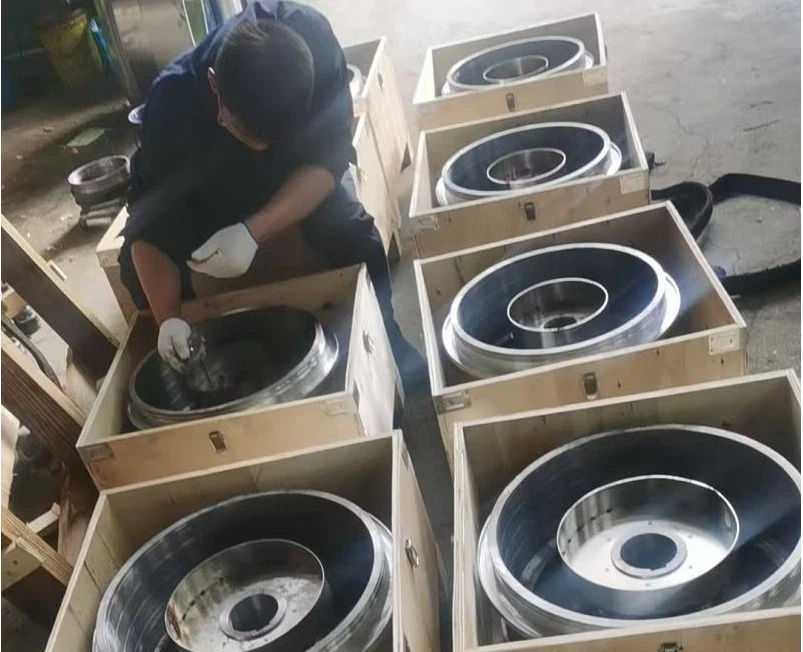
The first step in the recycling process is the collection of used Capstan Accessories. As a supplier, we often receive returns from our customers. These returns can come from various sources, such as manufacturing plants that have upgraded their equipment or have excess inventory. We also collaborate with waste management companies to collect Capstan Accessories from different industries.
Sorting
Once the used Capstan Accessories are collected, they are sorted based on their material composition. Different Capstan Accessories may be made from various metals, such as tungsten carbide, steel, or other alloys. Sorting is crucial as it allows for more efficient recycling. For example, tungsten carbide - based Capstan Accessories require a different recycling process compared to steel - based ones.
Cleaning
After sorting, the Capstan Accessories are thoroughly cleaned. This step is essential to remove any dirt, grease, or other contaminants that may be present on the surface. Cleaning can be done using various methods, such as ultrasonic cleaning or chemical cleaning, depending on the type of contaminants and the material of the accessory.
Shredding
Once the accessories are clean, they are shredded into smaller pieces. Shredding increases the surface area of the materials, making it easier for the subsequent recycling processes. The shredded pieces are then ready for further processing.
Melting and Refining
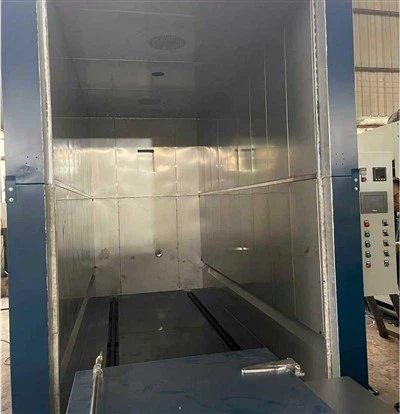
The shredded Capstan Accessories are melted in a furnace. The melting process is carefully controlled to ensure that the materials reach the appropriate temperature for melting. Different metals have different melting points, so the furnace temperature needs to be adjusted accordingly.
After melting, the molten metal is refined to remove any impurities. This refining process helps in obtaining a high - quality recycled material. For example, in the case of tungsten carbide, the refining process can remove any non - carbide elements, resulting in a pure tungsten carbide product.
Re - manufacturing
Once the recycled material is obtained, it can be used for re - manufacturing new Capstan Accessories. The recycled material is shaped and machined into the desired form, just like the original manufacturing process. This re - manufacturing step allows for the production of new Capstan Accessories with similar quality and performance as those made from virgin materials.
The Role of Capstan Accessories in the Industry
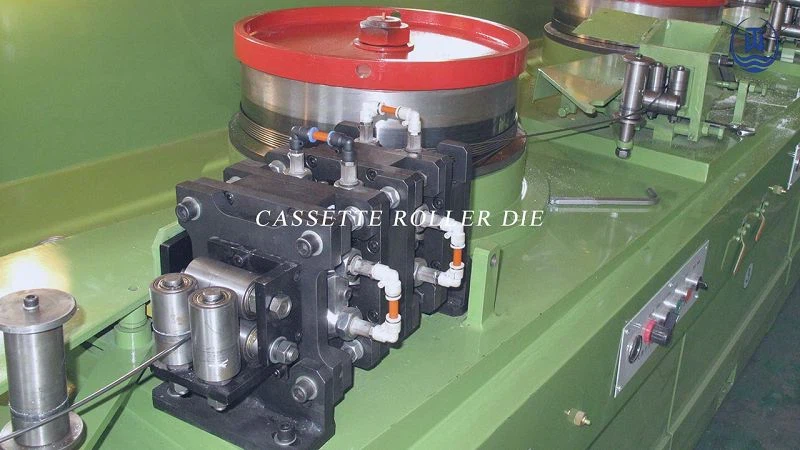
Capstan Accessories are widely used in the wire drawing and cable manufacturing industries. They are essential for ensuring the smooth and efficient operation of wire drawing machines. Tungsten Carbide Alloy Rolls are a common type of Capstan Accessory. These rolls are known for their high hardness, wear resistance, and excellent surface finish. They are used to draw wires of different diameters and materials, such as copper, aluminum, and steel.
Tungsten Carbide Alloy Rolls Manufacturers play a crucial role in producing high - quality Capstan Accessories. They use advanced manufacturing techniques to ensure that the rolls meet the strict quality standards required by the industry. Similarly, Rolling Die Accessories Manufacturers produce a variety of accessories that are used in conjunction with Capstan Accessories to enhance the performance of wire drawing machines.
Encouraging Sustainable Practices
As a supplier of Capstan Accessories, we are committed to promoting sustainable practices in the industry. We encourage our customers to recycle their used Capstan Accessories by providing them with information about the recycling process and the benefits of recycling. We also offer incentives for customers who return their used accessories, such as discounts on future purchases.
In addition, we work closely with recycling facilities to ensure that the recycling process is carried out in an environmentally friendly and efficient manner. We monitor the quality of the recycled materials to ensure that they meet the same standards as the original materials.
Contact for Procurement and Recycling
If you are interested in purchasing Capstan Accessories or have used accessories that you would like to recycle, we would be more than happy to assist you. Our team of experts can provide you with detailed information about our products and the recycling process. We are committed to providing high - quality products and services to our customers, and we look forward to working with you.
References
- "Recycling of Tungsten Carbide: A Review" - Journal of Materials Recycling
- "The Role of Capstan Accessories in Wire Drawing" - International Journal of Metalworking
- "Sustainable Practices in the Manufacturing Industry" - Environmental Science and Technology