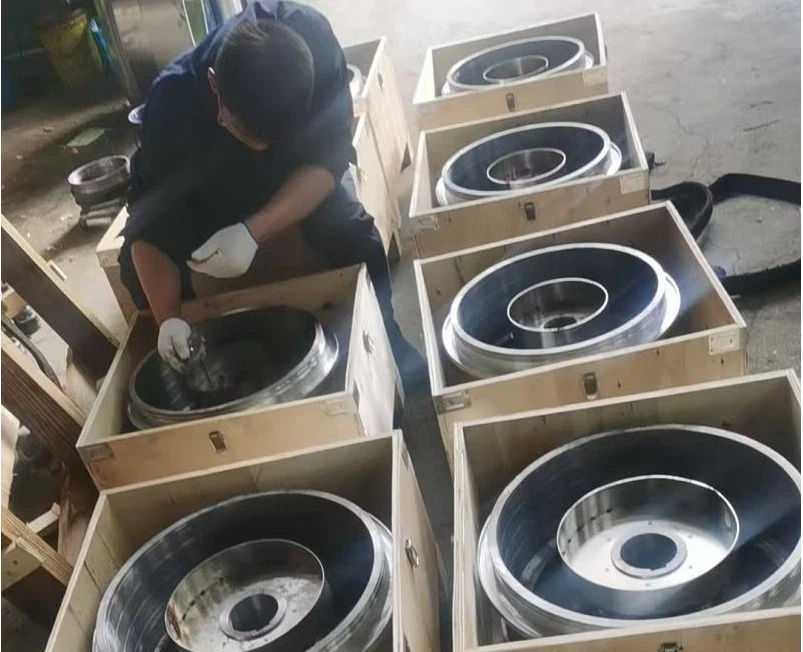
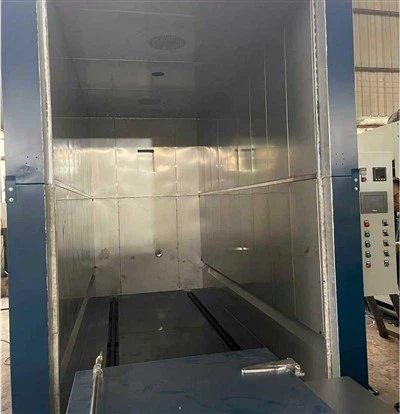
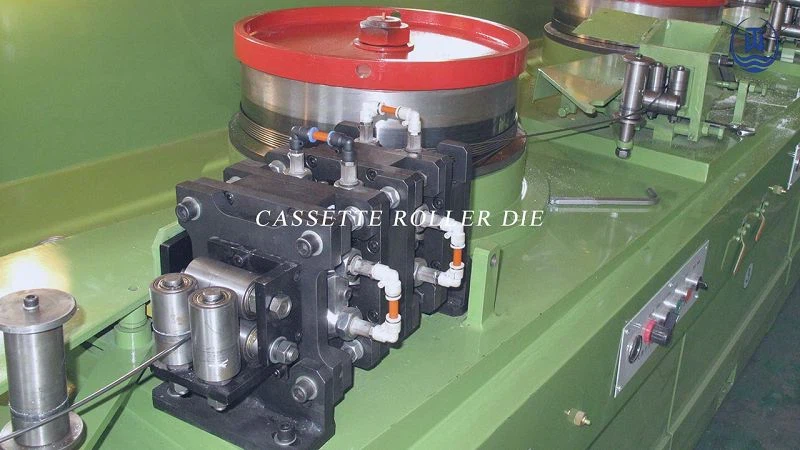
In the realm of welding, a welding powder drying furnace plays a crucial role in ensuring the quality and performance of welding powders. As a supplier of welding powder drying furnaces, I have witnessed firsthand the benefits and challenges associated with these devices. While they are essential for removing moisture and improving the flowability of welding powders, they also have certain limitations that need to be understood and addressed. In this blog post, I will delve into the limitations of a welding powder drying furnace and discuss how these factors can impact the overall welding process.
1. Limited Drying Capacity
One of the primary limitations of a welding powder drying furnace is its limited drying capacity. The size and design of the furnace determine the amount of welding powder that can be dried at one time. Smaller furnaces may only be able to handle a few kilograms of powder, while larger industrial furnaces can dry several hundred kilograms. However, even the largest furnaces have a maximum capacity, and if the demand for dried powder exceeds this capacity, it can lead to production bottlenecks.


For example, in a high - volume welding operation, if the drying furnace cannot keep up with the powder consumption rate, it may result in delays in the welding process. This can be particularly problematic in industries where time is of the essence, such as automotive manufacturing or shipbuilding. To overcome this limitation, companies may need to invest in multiple drying furnaces or larger - capacity models.
2. Energy Consumption
Welding powder drying furnaces require a significant amount of energy to operate. The heating elements used to dry the powder consume electricity or other forms of energy, and the continuous operation of the furnace can lead to high energy costs. This is a major concern for manufacturers, especially in regions where energy prices are high.
The energy consumption of a drying furnace is influenced by several factors, including the size of the furnace, the drying temperature, and the drying time. Higher drying temperatures and longer drying times generally result in increased energy consumption. To reduce energy costs, some manufacturers may try to optimize the drying process by adjusting the temperature and time settings. However, this can be a delicate balance, as reducing the drying temperature or time too much may result in insufficient drying of the powder.
3. Temperature Uniformity
Achieving uniform temperature distribution within the drying furnace is a challenge. In many cases, the temperature can vary significantly from one part of the furnace to another. This can lead to uneven drying of the welding powder, with some parts of the powder being over - dried while others are under - dried.
Uneven drying can have a negative impact on the quality of the welding powder. Over - dried powder may become brittle and lose its flowability, while under - dried powder may contain moisture, which can cause porosity and other defects in the weld. To address this issue, advanced drying furnaces are equipped with temperature sensors and control systems to monitor and adjust the temperature. However, even with these systems, achieving perfect temperature uniformity can be difficult.
4. Powder Degradation
The high temperatures used in the drying process can cause degradation of the welding powder. Some powders may be sensitive to heat, and prolonged exposure to high temperatures can lead to chemical changes in the powder. This can affect the performance of the powder during the welding process, resulting in poor weld quality.
For example, certain alloying elements in the welding powder may oxidize at high temperatures, reducing their effectiveness. Additionally, the physical properties of the powder, such as particle size and shape, may change due to heat treatment. To minimize powder degradation, it is important to carefully control the drying temperature and time.
5. Maintenance Requirements
Welding powder drying furnaces require regular maintenance to ensure their proper operation. The heating elements, fans, and other components of the furnace can wear out over time and need to be replaced. Additionally, the interior of the furnace may accumulate powder residue, which can affect the performance of the furnace and the quality of the dried powder.
Maintenance tasks can be time - consuming and costly. For example, replacing heating elements may require specialized skills and tools, and cleaning the furnace interior may involve shutting down the production line. Failure to perform regular maintenance can lead to breakdowns and reduced efficiency of the drying furnace.
6. Lack of Flexibility
Most welding powder drying furnaces are designed for specific types of welding powders and drying requirements. They may not be easily adaptable to different types of powders or drying conditions. For example, a furnace designed for drying fine - grained powders may not be suitable for drying coarse - grained powders, as the airflow and temperature requirements may be different.
This lack of flexibility can be a problem for manufacturers who work with a variety of welding powders. They may need to invest in multiple drying furnaces to meet the different drying requirements of their powders, which can increase the cost and complexity of their operations.
Addressing the Limitations
Despite these limitations, there are ways to mitigate their impact. For example, to overcome the limited drying capacity, manufacturers can invest in larger or multiple furnaces. Energy consumption can be reduced by using energy - efficient heating elements and optimizing the drying process. To improve temperature uniformity, advanced temperature control systems can be installed.
In addition, there are other equipment options that can work in conjunction with the welding powder drying furnace to enhance the overall process. For instance, a V-type Powder Mixer can be used to ensure the uniform mixing of the welding powder before drying. This can help to improve the quality of the dried powder. Vacuum Airtight Sealing Packaging Machine can be used to package the dried powder in a way that prevents moisture re - absorption. If you are looking for reliable V-type Powder Mixer Manufacturers, the link provided can be a great resource.
Conclusion
In conclusion, while welding powder drying furnaces are essential for the welding industry, they have several limitations that need to be considered. These limitations include limited drying capacity, high energy consumption, temperature uniformity issues, powder degradation, maintenance requirements, and lack of flexibility. However, with proper planning and the use of complementary equipment, these limitations can be managed effectively.
If you are in the market for a welding powder drying furnace or related equipment, I encourage you to reach out to discuss your specific needs. Our team of experts can provide you with detailed information and guidance to help you make the best decision for your operations. Whether you are a small - scale workshop or a large - scale industrial manufacturer, we are here to support you in achieving high - quality welding results.
References
- "Welding Handbook", American Welding Society
- "Powder Metallurgy Principles and Applications", ASM International