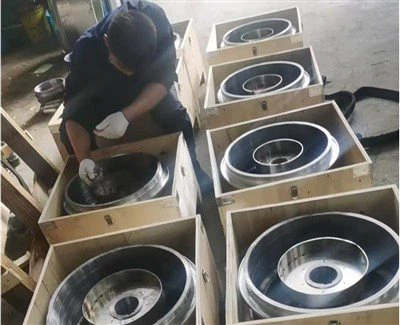
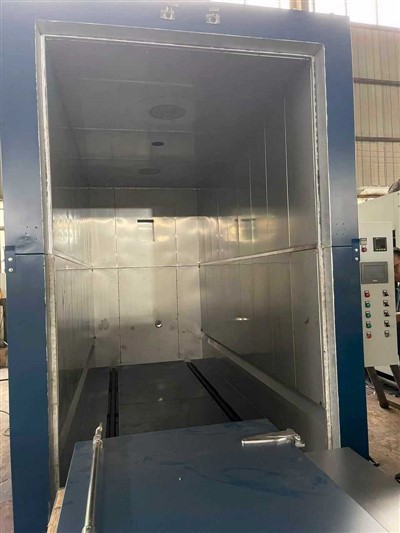
Calibrating a drum packaging machine is a crucial process that ensures accurate and efficient packaging operations. As a supplier of drum packaging machines, I've seen firsthand how proper calibration can make or break a product line. In this blog post, I'll share some practical tips on how to calibrate your drum packaging machine effectively.
Why Calibration Matters
Before we dive into the calibration process, let's talk about why it's so important. A well - calibrated drum packaging machine can significantly improve the quality of your products. It ensures that each drum is filled with the correct amount of product, which is essential for meeting regulatory requirements and customer expectations. Moreover, it can prevent over - filling or under - filling, which can lead to waste, customer complaints, and even legal issues.
Calibration also helps in maintaining the efficiency of the machine. When a machine is calibrated correctly, it runs smoothly, reducing the chances of breakdowns and downtime. This means more products can be packaged in less time, increasing your overall productivity.
Pre - Calibration Checks
Before you start the calibration process, there are a few things you need to do. First, make sure the machine is clean. Any debris or residue in the machine can affect the accuracy of the calibration. You should also inspect all the parts of the machine for wear and tear. Replace any damaged or worn - out parts before proceeding with the calibration.
Check the power supply to the machine. Make sure it is stable and within the recommended voltage range. Unstable power can cause the machine to malfunction during the calibration process.
Step 1: Set the Zero Point
The first step in calibrating a drum packaging machine is to set the zero point. This is the baseline measurement from which all other measurements will be made. To set the zero point, start by ensuring that the machine is empty. There should be no drums or product in the filling area.
Most modern drum packaging machines have a digital display or a control panel where you can set the zero point. Follow the manufacturer's instructions to access the zero - setting function. Once you've found the appropriate setting, initiate the zero - setting process. The machine will then take a measurement with no load on it, and this will be set as the zero point.
Step 2: Check the Filling Volume
The next step is to check and adjust the filling volume. This is one of the most critical aspects of calibration, as it determines how much product goes into each drum. To check the filling volume, you'll need to use a calibrated container.
First, set the machine to the desired filling volume. Then, start the filling process and fill the calibrated container. After filling, measure the actual volume of the product in the container using a measuring device. Compare this measured volume with the desired volume set on the machine.
If there is a significant difference between the two volumes, you'll need to adjust the filling mechanism. This may involve adjusting a valve, a pump setting, or a control parameter on the machine's panel. Make small adjustments at a time and repeat the filling and measuring process until the actual volume matches the desired volume within an acceptable tolerance.
Step 3: Calibrate the Weight Measurement
In some cases, especially when packaging products by weight, you'll need to calibrate the weight measurement system. Similar to setting the zero point, start with an empty weighing platform or container. Set the machine to zero the weight reading.
Next, use known - weight test weights. Place these test weights on the weighing platform and check the machine's weight display. If the displayed weight doesn't match the actual weight of the test weights, you'll need to adjust the weight calibration settings on the machine.
Again, refer to the machine's manual for specific instructions on how to adjust the weight calibration. Usually, this involves entering a calibration mode and following a series of prompts to adjust the calibration factors based on the known - weight test results.
Step 4: Adjust the Sealing Mechanism
If your drum packaging machine includes a sealing function, it's essential to calibrate the sealing mechanism. A poorly calibrated seal can lead to leakage, which is a major quality issue.
Start by checking the sealing pressure. Most machines have an adjustable pressure setting. Use a pressure gauge to measure the actual sealing pressure and compare it with the recommended pressure provided by the manufacturer. If the pressure is too high or too low, adjust the pressure regulator on the machine.
Also, check the sealing time. The sealing time affects the quality of the seal. Follow the manufacturer's guidelines to set the appropriate sealing time. You may need to perform some trial runs using test drums to ensure that the seal is strong enough to prevent leakage but not so long that it damages the drum or the product.
Step 5: Verify the Labeling and Coding System
If your drum packaging machine has a labeling or coding system, it's important to calibrate it as well. Incorrect labels or codes can lead to confusion in the supply chain and may even result in product recalls.
Check the label placement accuracy. Make sure the labels are centered and aligned correctly on the drums. Adjust the label dispenser's position if necessary. You can use a ruler or a measuring tool to verify the label position.
For the coding system, test it with sample drums to ensure that the codes are clear, accurate, and legible. Check the print quality, including the font size, contrast, and barcode readability. Adjust the coding machine's settings as needed to improve the print quality.

Additional Resources
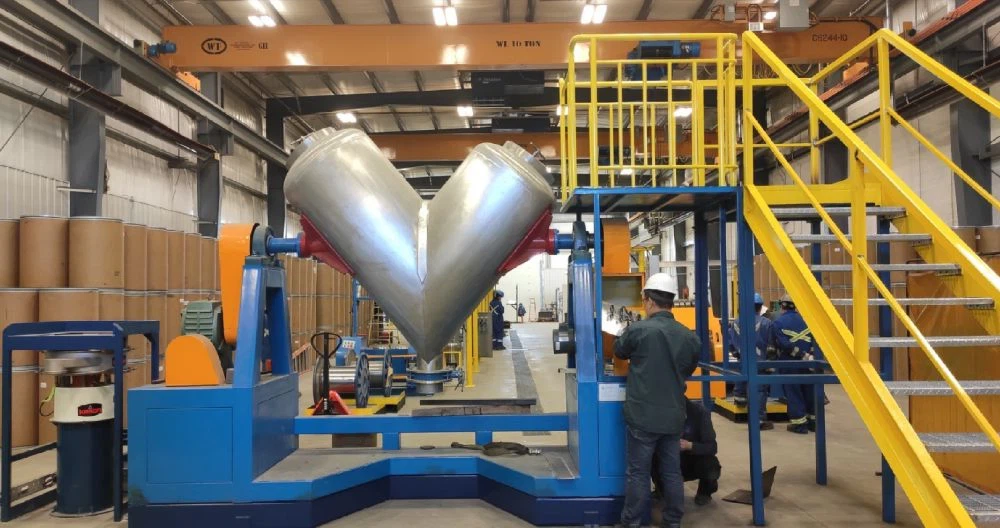
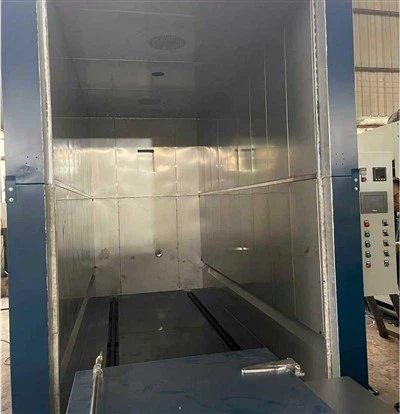
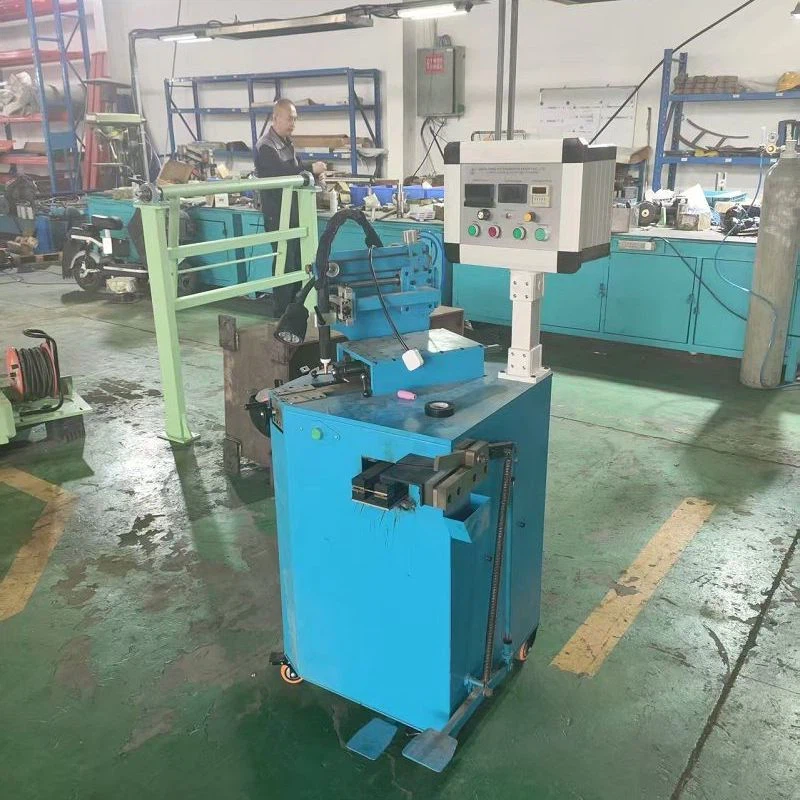
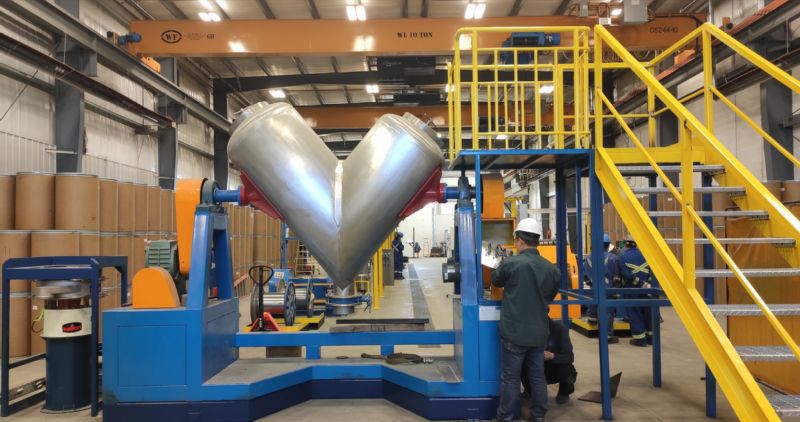
If you're in the welding industry and looking for other related equipment, you might be interested in the following links: Welding Powder Dryer Manufacturers, Welding Wire Butt Machine, Steel Strip Welding Machine Manufacturers, V Blender Dry Powder Mixer, and Welding Powder Drying Furnace Manufacturers.
Conclusion
Calibrating a drum packaging machine is not a one - time task. It should be done regularly to ensure consistent product quality and machine efficiency. By following these steps and referring to your machine's manual, you can keep your drum packaging machine in top - notch condition.
If you're interested in purchasing a new drum packaging machine or need more in - depth advice on calibration, feel free to reach out. We're here to help you optimize your packaging operations.
References
- Manufacturer's manuals of drum packaging machines
- Industry standards and guidelines for packaging equipment calibration